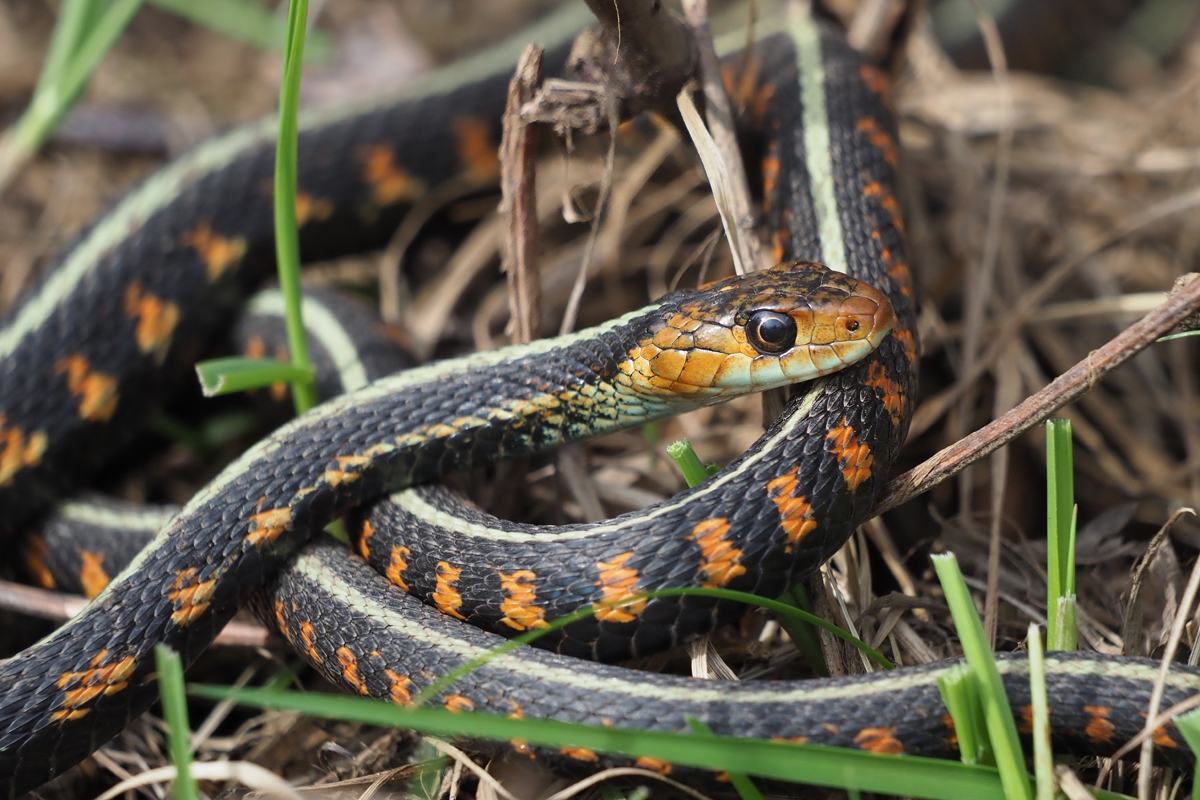
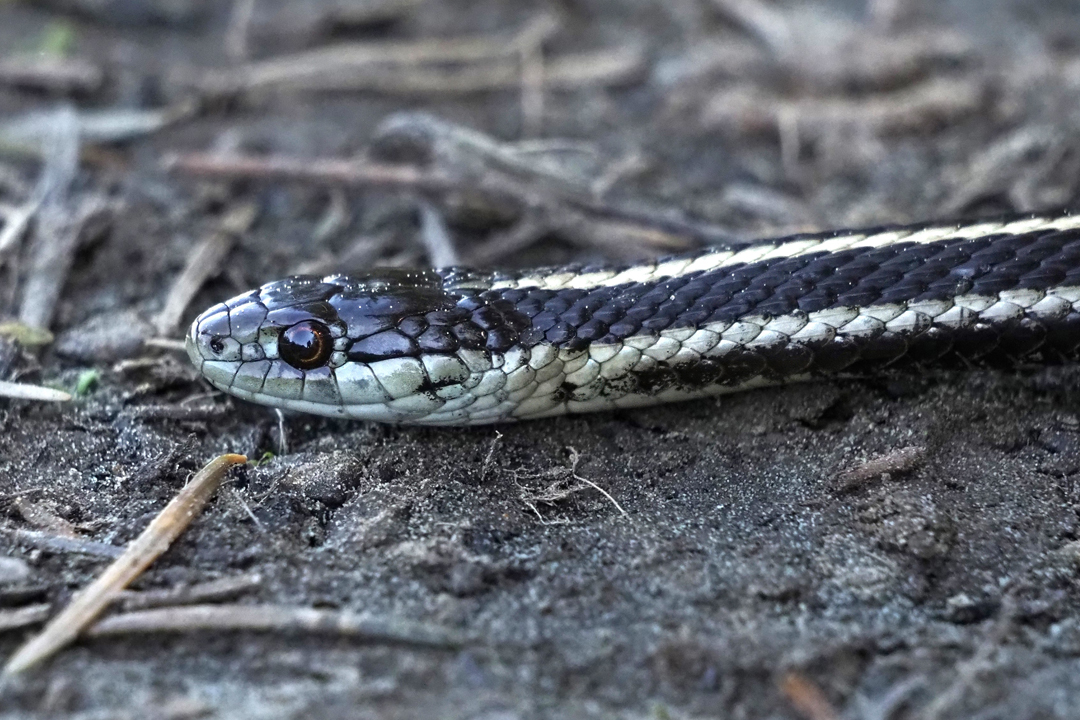
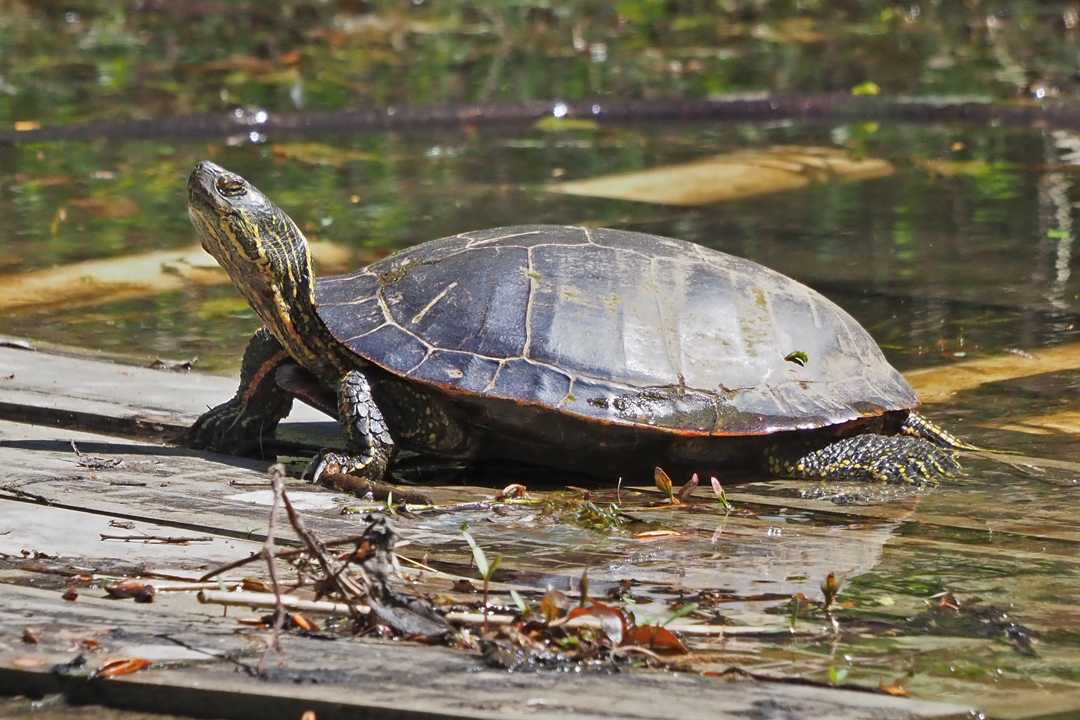
While waiting for spring bird migration to pick up, I have been enjoying the local reptiles and amphibians. Here are a few highlights.




Birding will be heating up in the next week, so I will have to start looking up again.
Happy Spring

While waiting for spring bird migration to pick up, I have been enjoying the local reptiles and amphibians. Here are a few highlights.
Birding will be heating up in the next week, so I will have to start looking up again.
Happy Spring




Happy Spring
I had the chance to visit Clatsop Spit at Fort Stevens State Park. Parking Lots C and D, the usual access points, are still compromised due to continued work on the south jetty of the Columbia. So the best place to access the beach along the Columbia River is the little road halfway in between the two parking lots. This road takes you to the access locally known as Social Security Beach.

One of the highlights of this trip was seeing many Snowy Plovers. This species just wasn’t found on the northern Oregon coast until a few years ago. It is great to see them making a comeback.

This Snowy Plover is sitting in a tire track from a large pickup that had just gone by. I really dislike that vehicles are allowed on so many beaches. Even if they are not directly squashing wildlife, they certainly disrupt and deface things. Baby Snowy Plovers have been known to get stuck in deep tire tracks.

While not threatened like the Snowy Plover, Black-bellied Plovers are always nice to see.
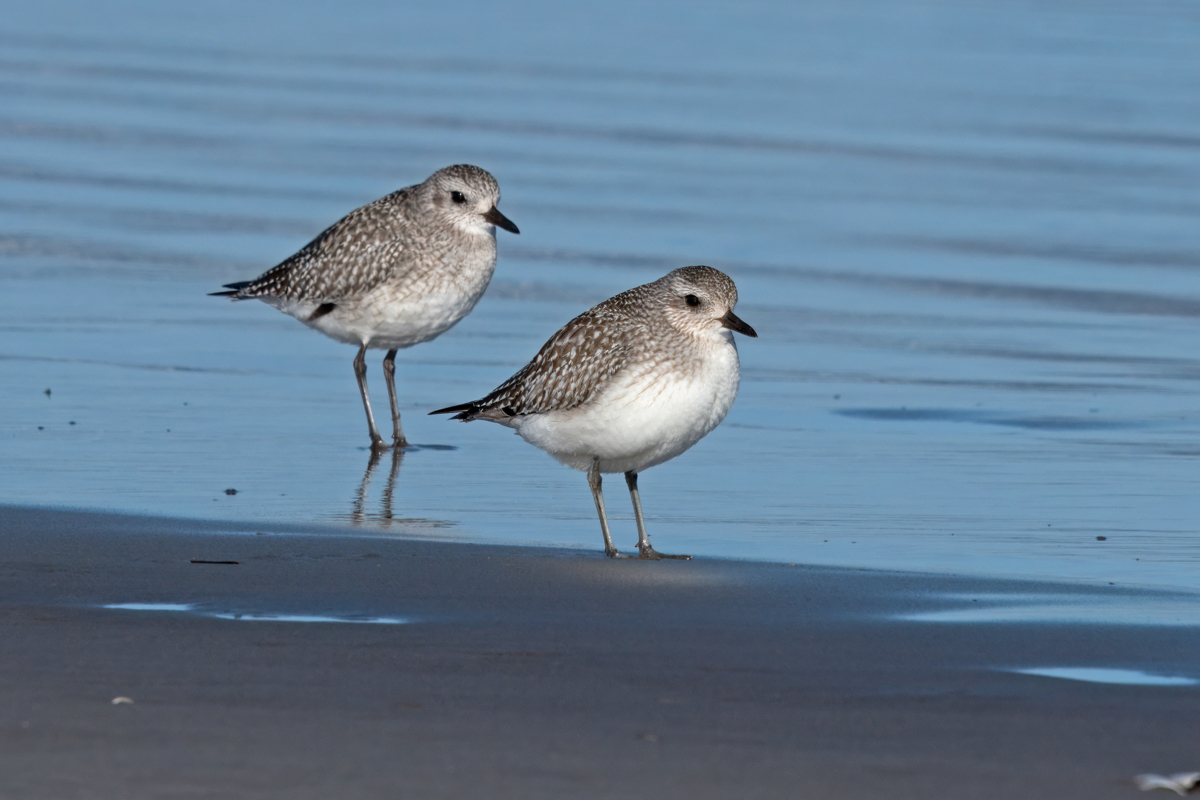
The Black-bellied Plovers were more wary and harder to approach than the Snowy Plovers.

This blurry photo shows the black axillaries (wing pits) of a Black-bellied Plover. This mark makes the species identifiable from a great distance.

The most common shorebird of the day was Dunlin. While they don’t sport their bold markings this time of year, the dull brownish upperparts and bright white underparts are distinctive.
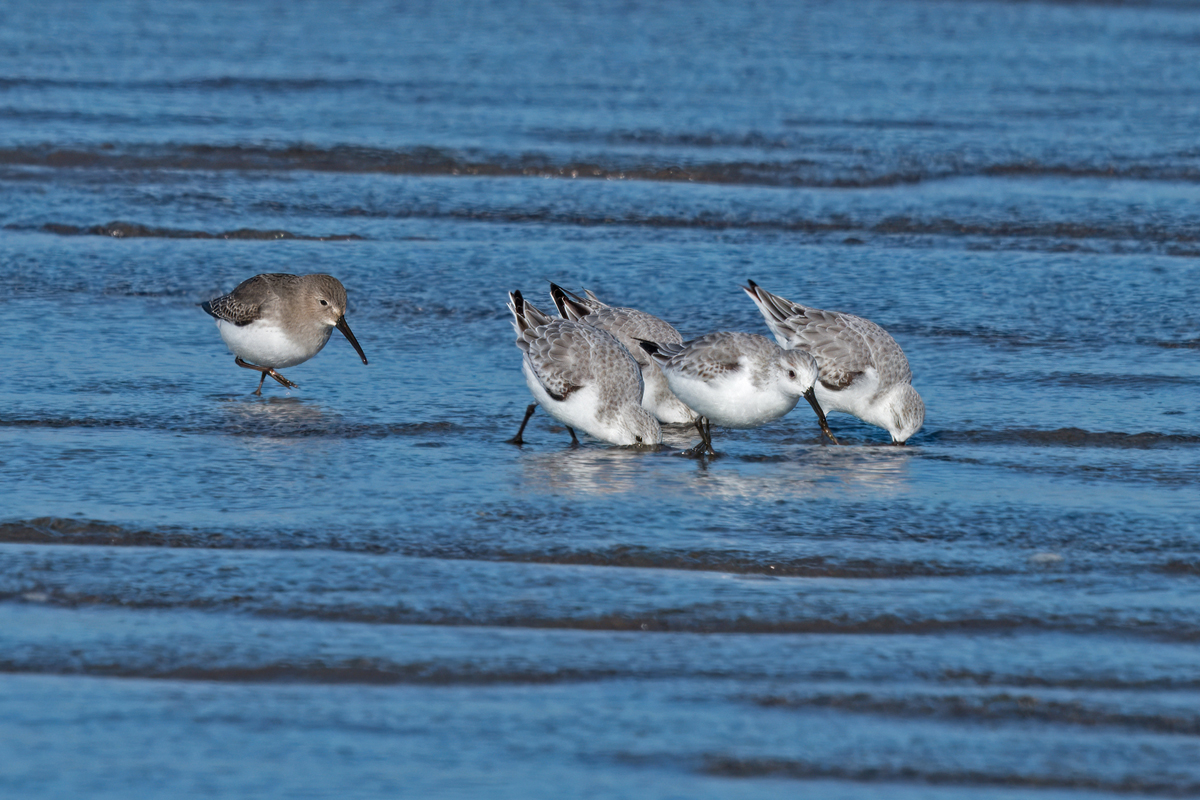
A lone Dunlin following a group of Sanderlings
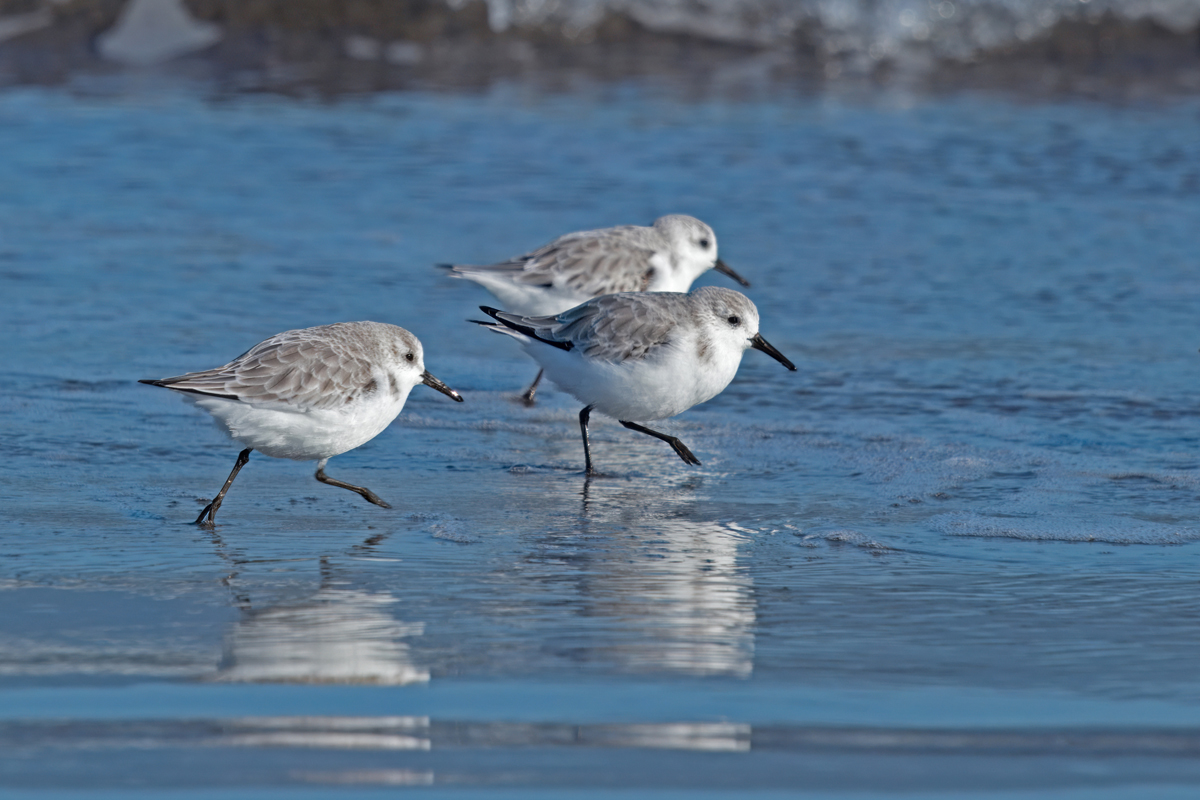
More Sanderlings

Of course you have to stop and appreciate the gulls this time of year. Here is a dapper pair of Herring Gulls.

Short-billed Gull, until recently called Mew Gull. Some feel that Mew Gull is a better name.

A lone California Gull stands in front of a group of Short-billed Gulls.
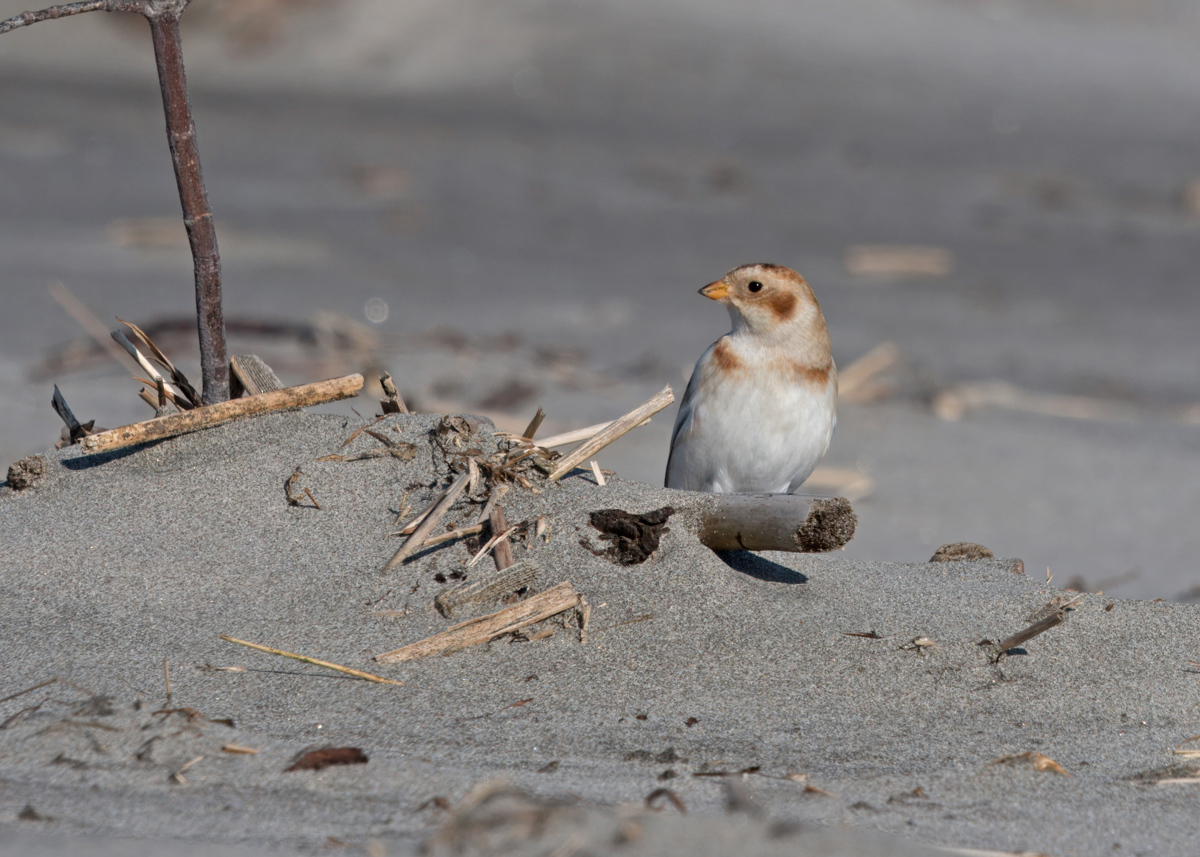
Probably the best bird of the trip was Snow Bunting. It is not unusual to find a few of these birds on the coast in winter, but it is hard to get them to sit still long enough for a photo.
Work on the jetty is scheduled to be completed by the fall of 2025. It will be nice to have easy access to all of Clatsop Spit again.
Happy Solstice
Trees may get all the credit for creating pretty colors in autumn, but I think the birds do their part.


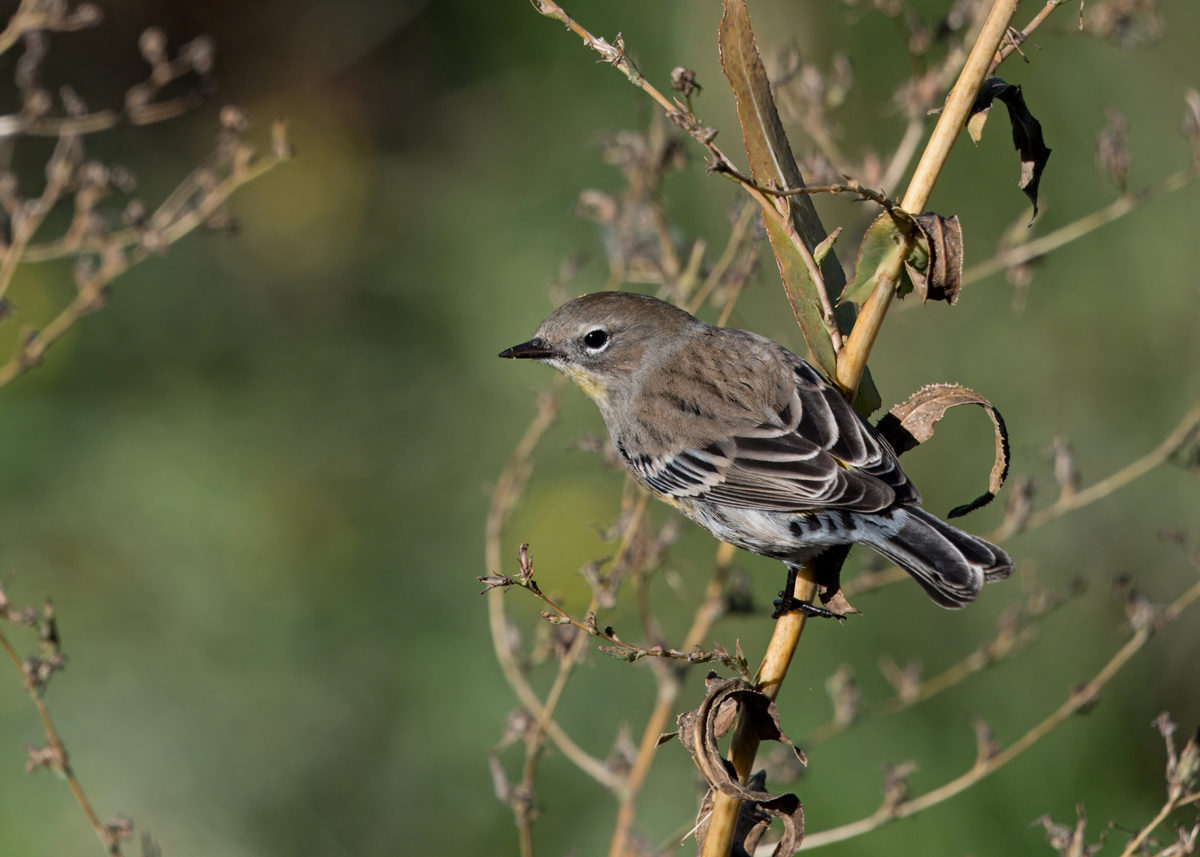

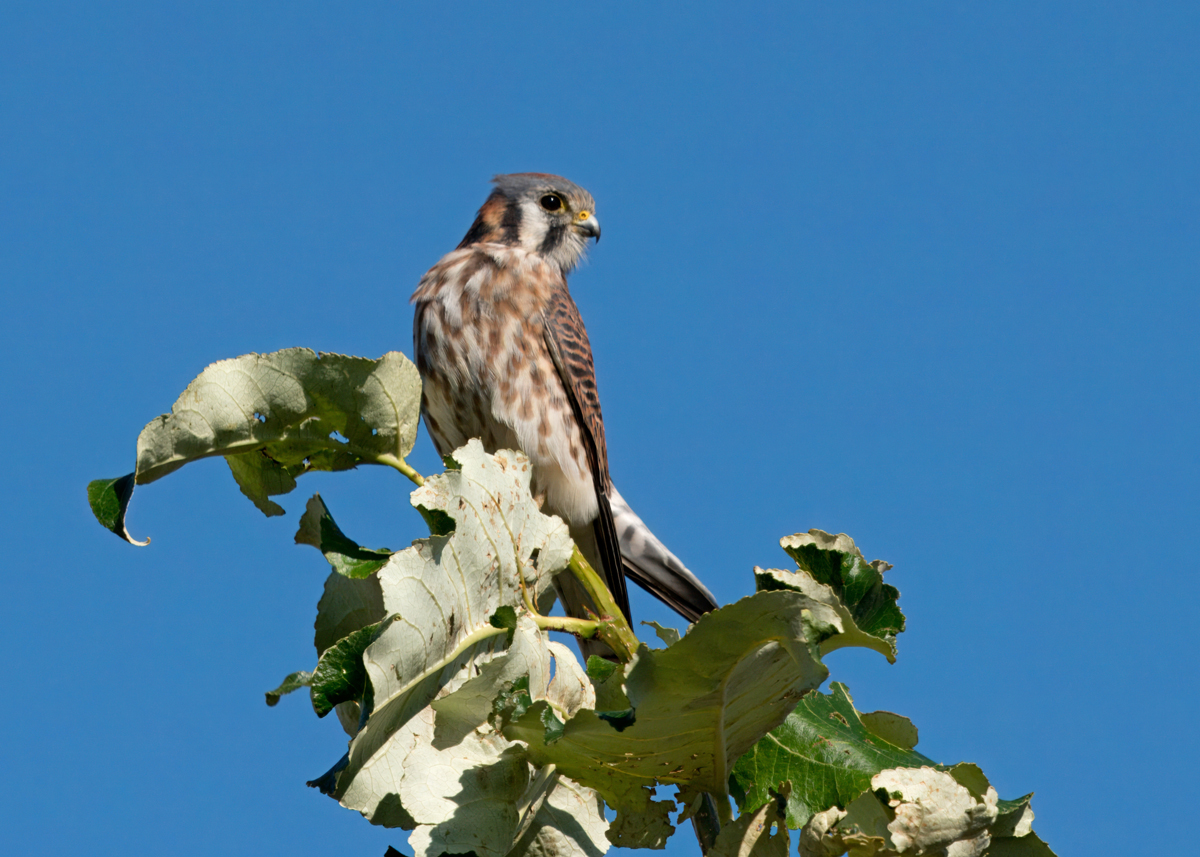


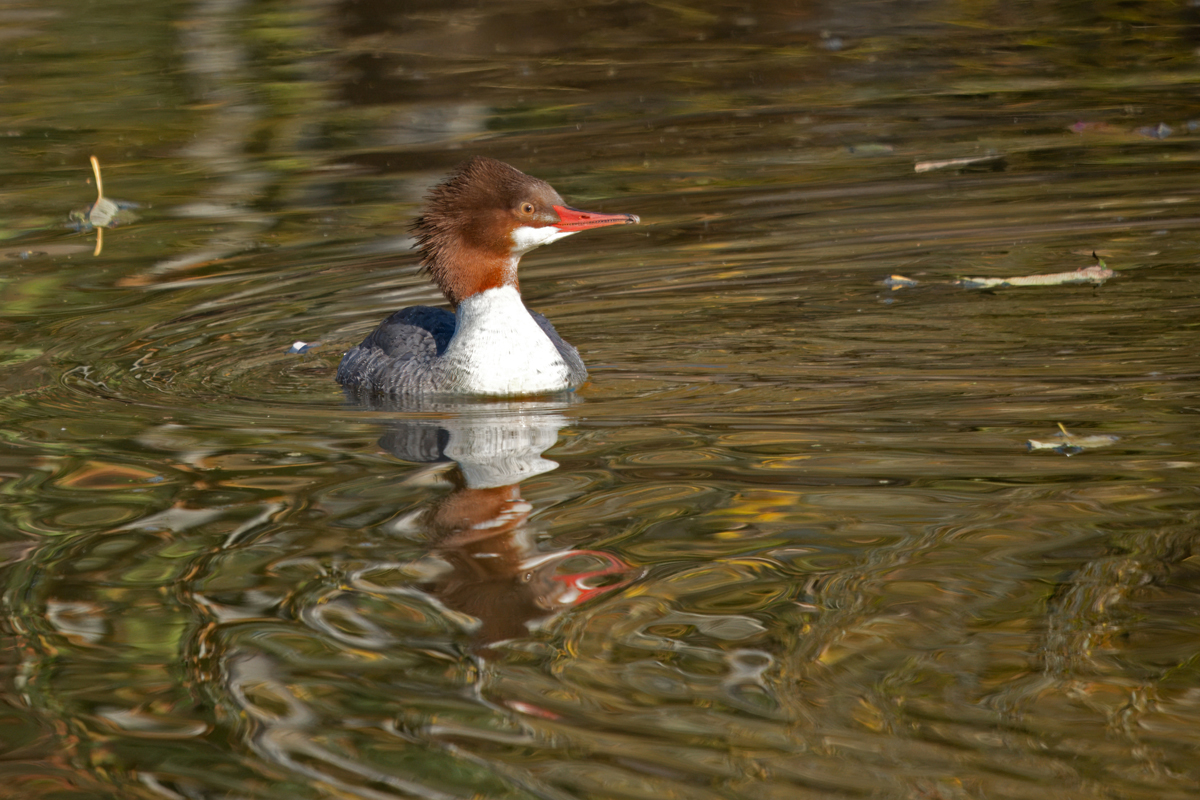

Happy autumn.
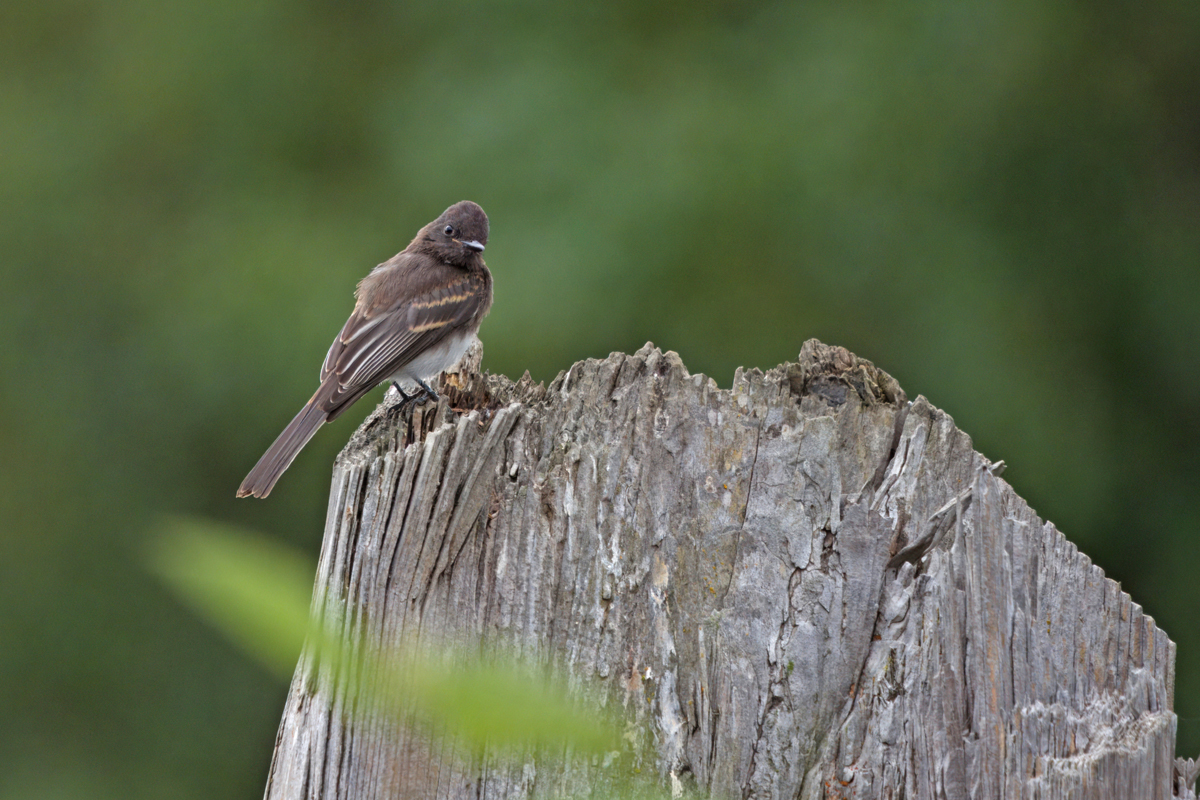
I enjoyed a walk around Fernhill Wetlands recently. We are in that in-between time when the seasons haven’t decided exactly who is in charge, so you never know what or who you will find out and about this time of year. This Black Phoebe still shows the pale gape and buffy wingbars of a juvenile.
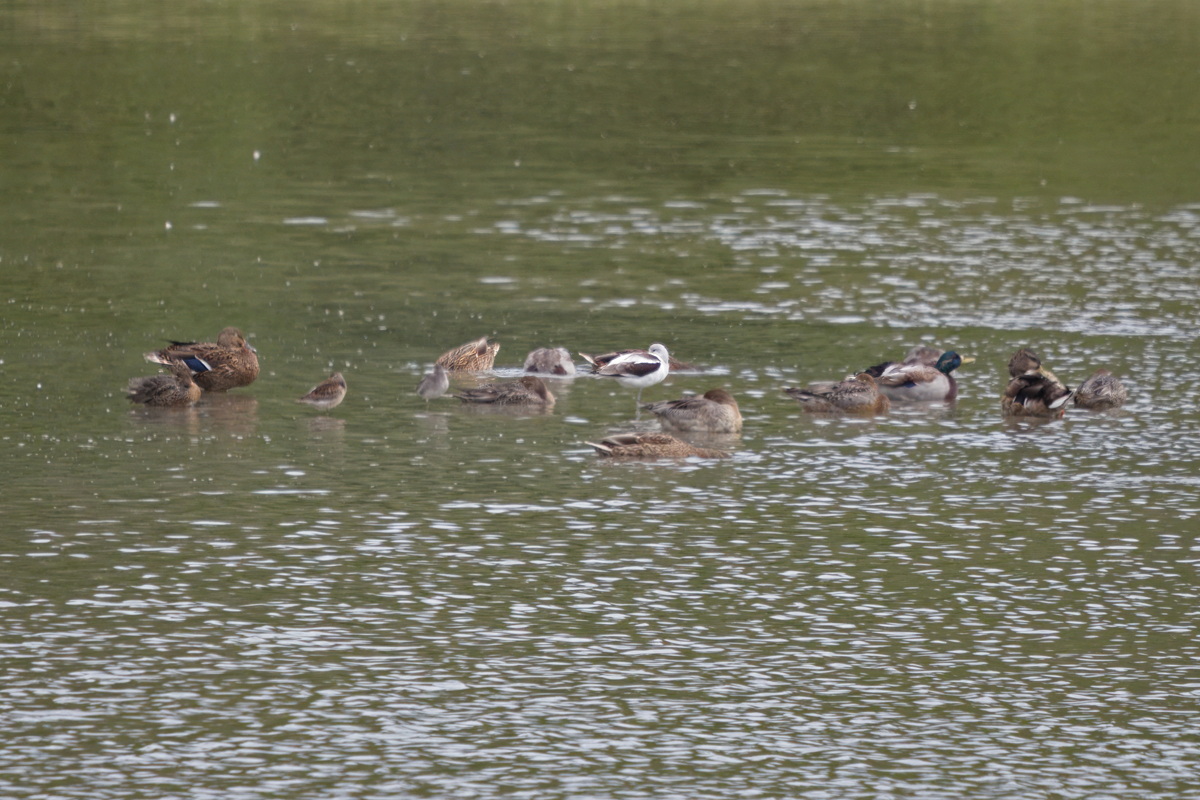
Most of the migrant shorebirds have moved on, but this wayward American Avocet was hanging out with the local waterfowl.
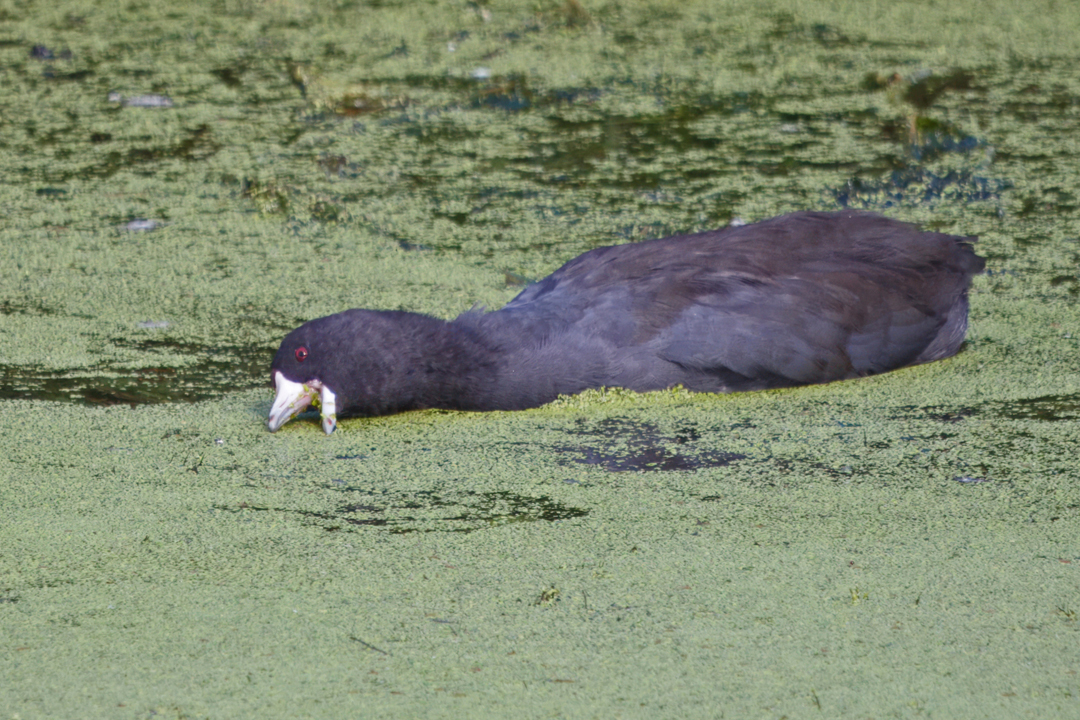
American Coot, enjoying their greens
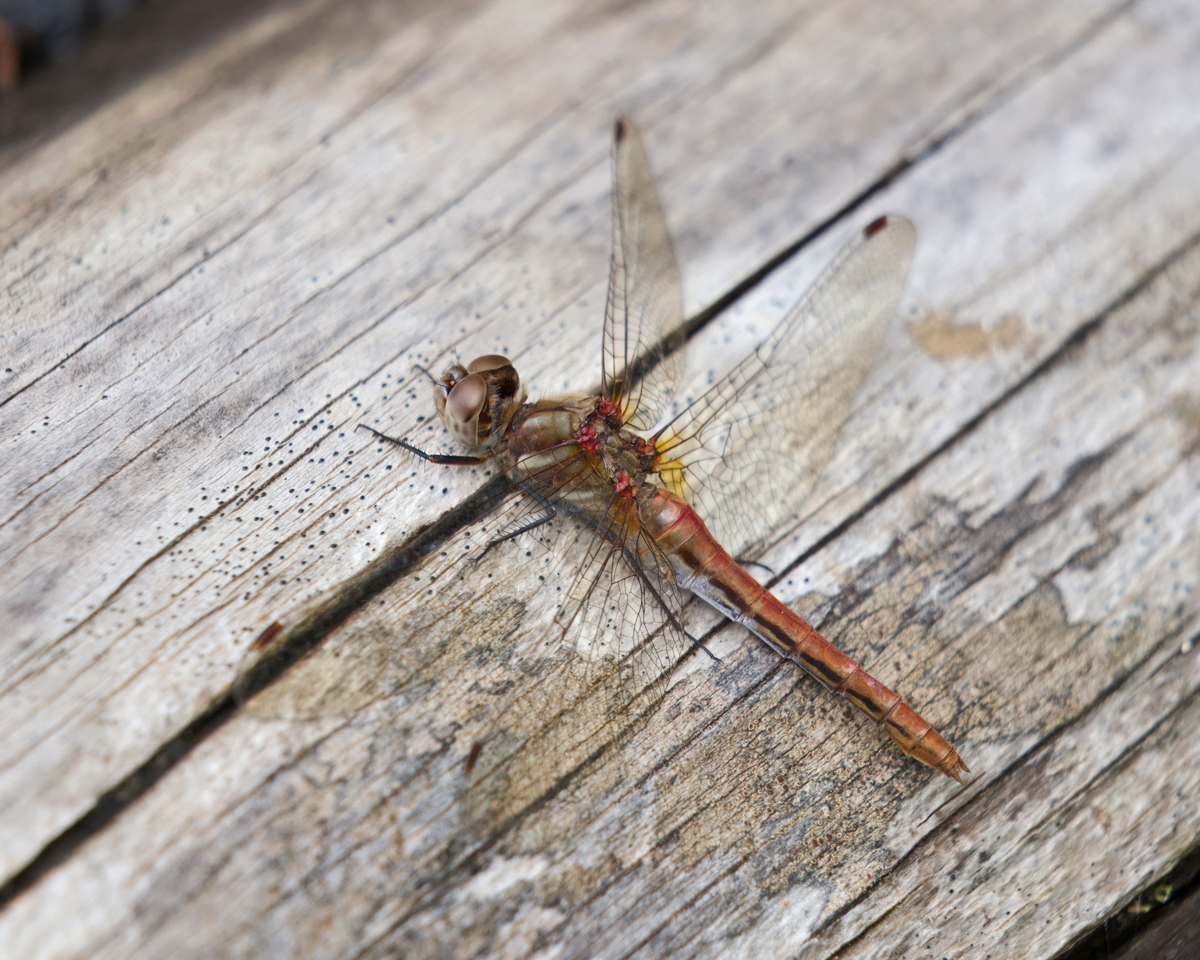
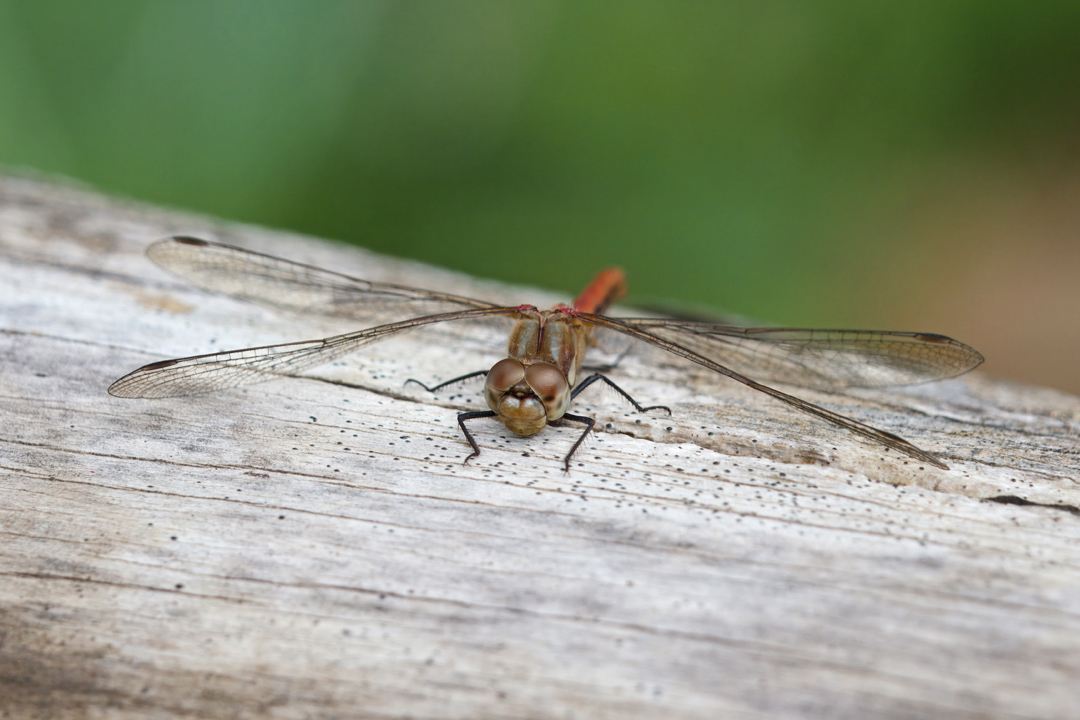
I still haven’t taken the leap into studying dragonflies, but I am noticing them more and more. I believe this is a female Cardinal Meadowhawk, but please correct me if I am wrong.
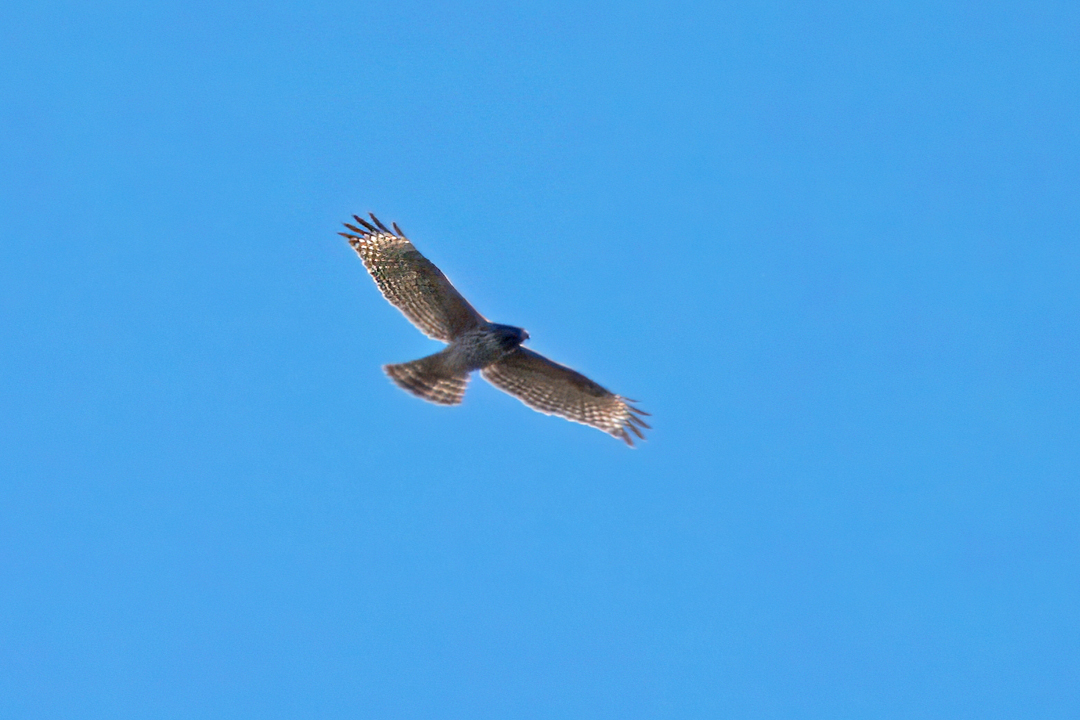
Southbound raptor migration is pretty hit and miss in the Portland area. You have to be out at the right time when a flock is passing over. I missed the big flights this year, but did get to see a little flock that included a couple of Red-shouldered Hawks.
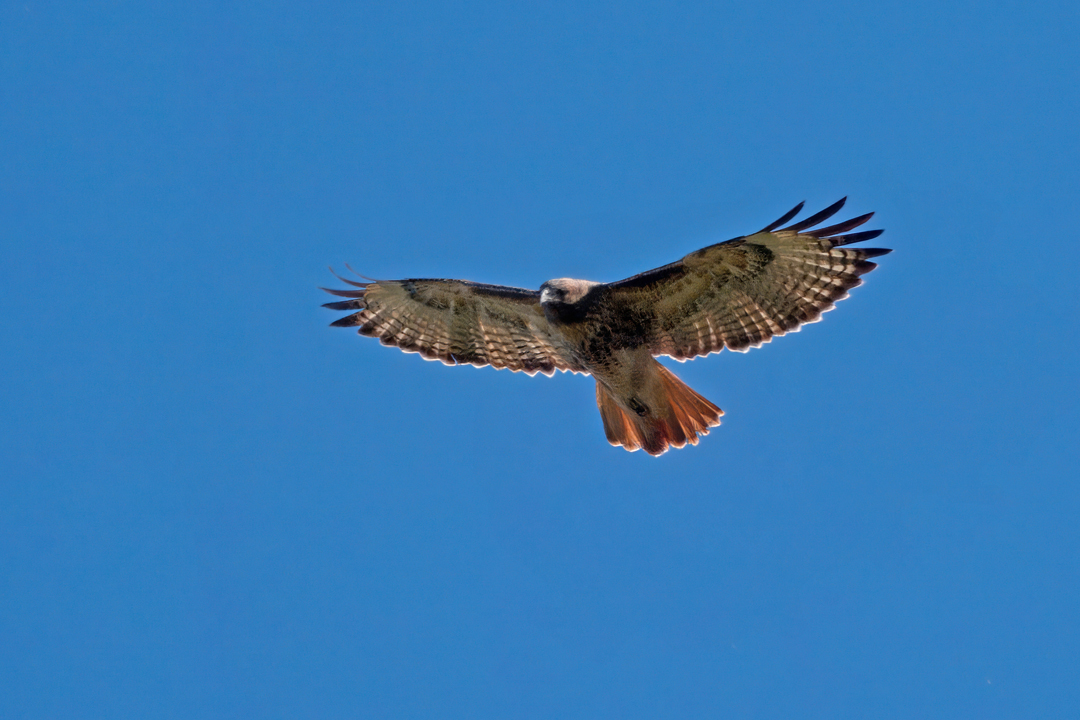
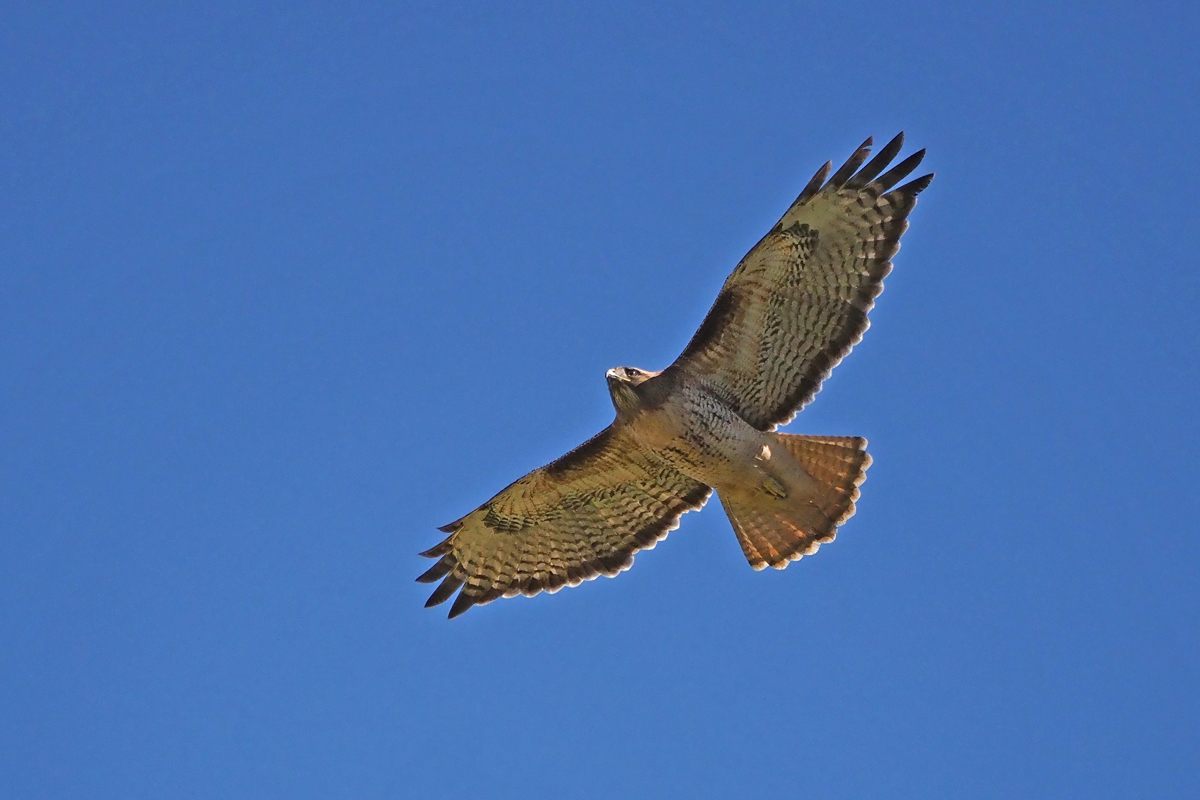
I don’t know if this Red-tailed Hawk is a migrant or a resident.
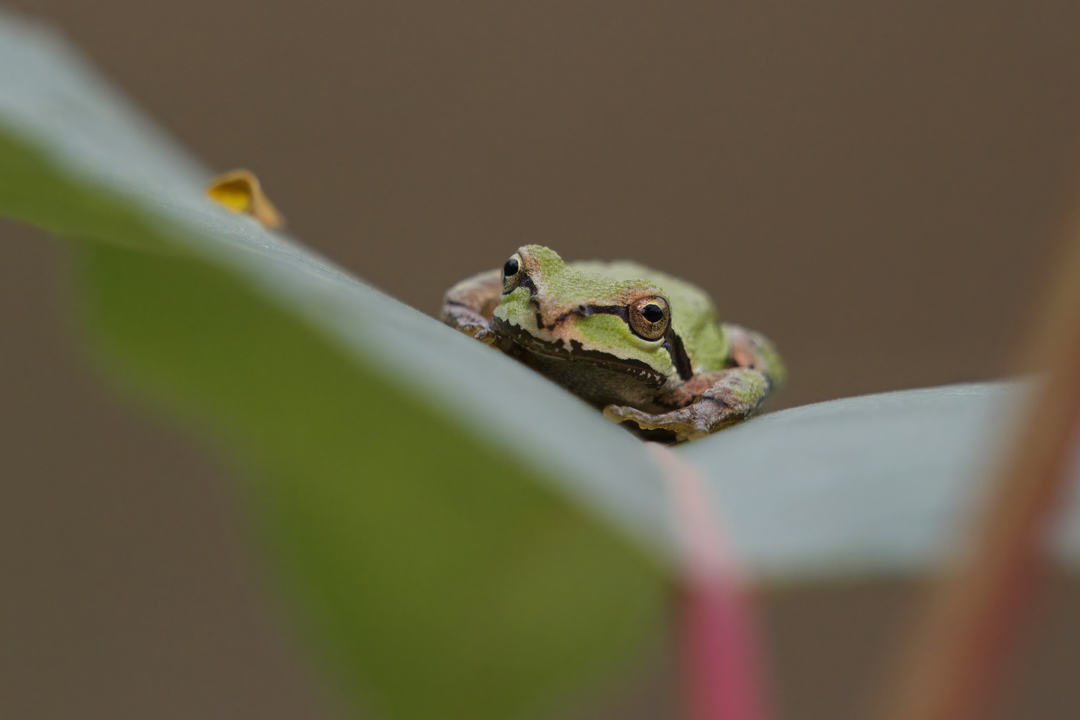
Now that the rains have begun, the Pacific Treefrogs have become more vocal and more visible. This youngster was sitting in the middle of a leaf on a cottonwood sapling. I missed most of the spring herp activity this year due to the demands of a certain puppy, so it has been great to see a few herps this fall.
Happy Autumn
The equinox has passed and the rains have begun, so we are officially in autumn.
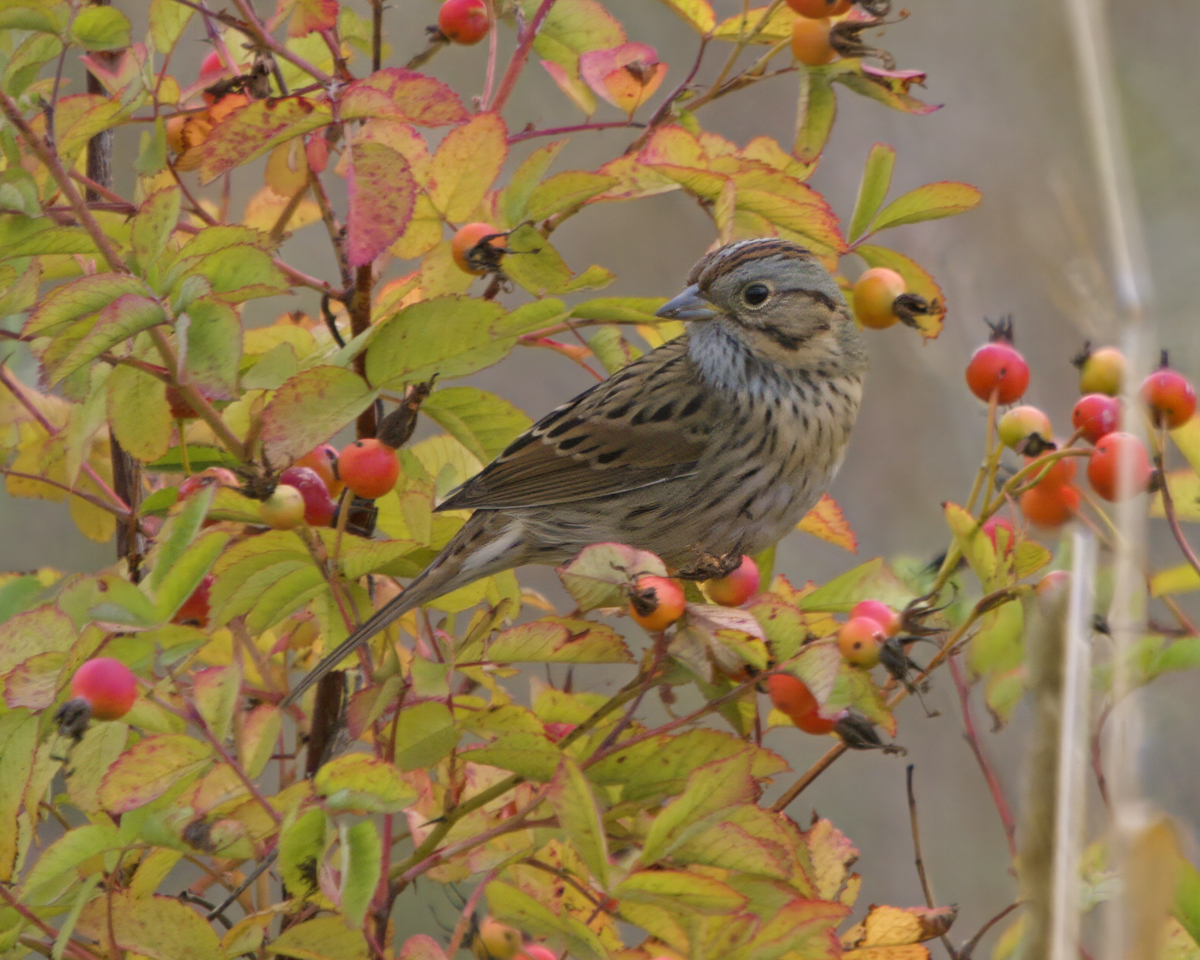
The winter sparrows have returned. This Lincoln’s Sparrow was posing with rose hips.
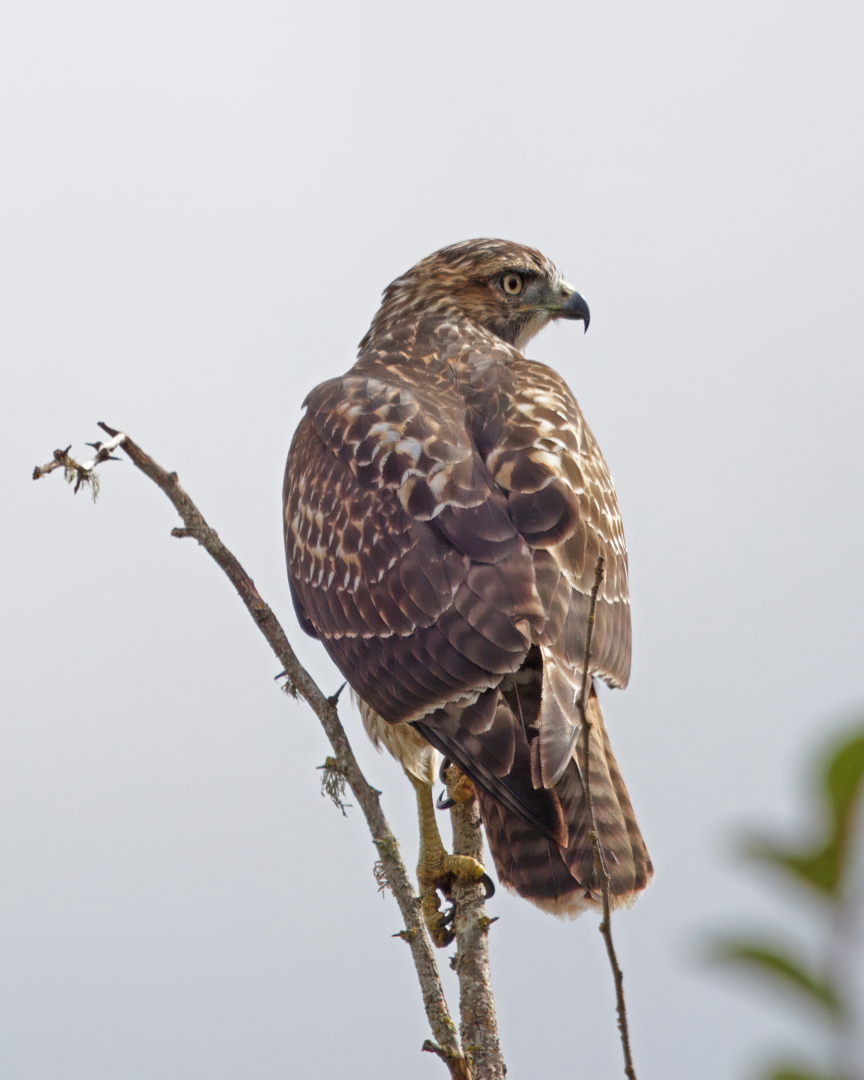
juvenile Red-tailed Hawk
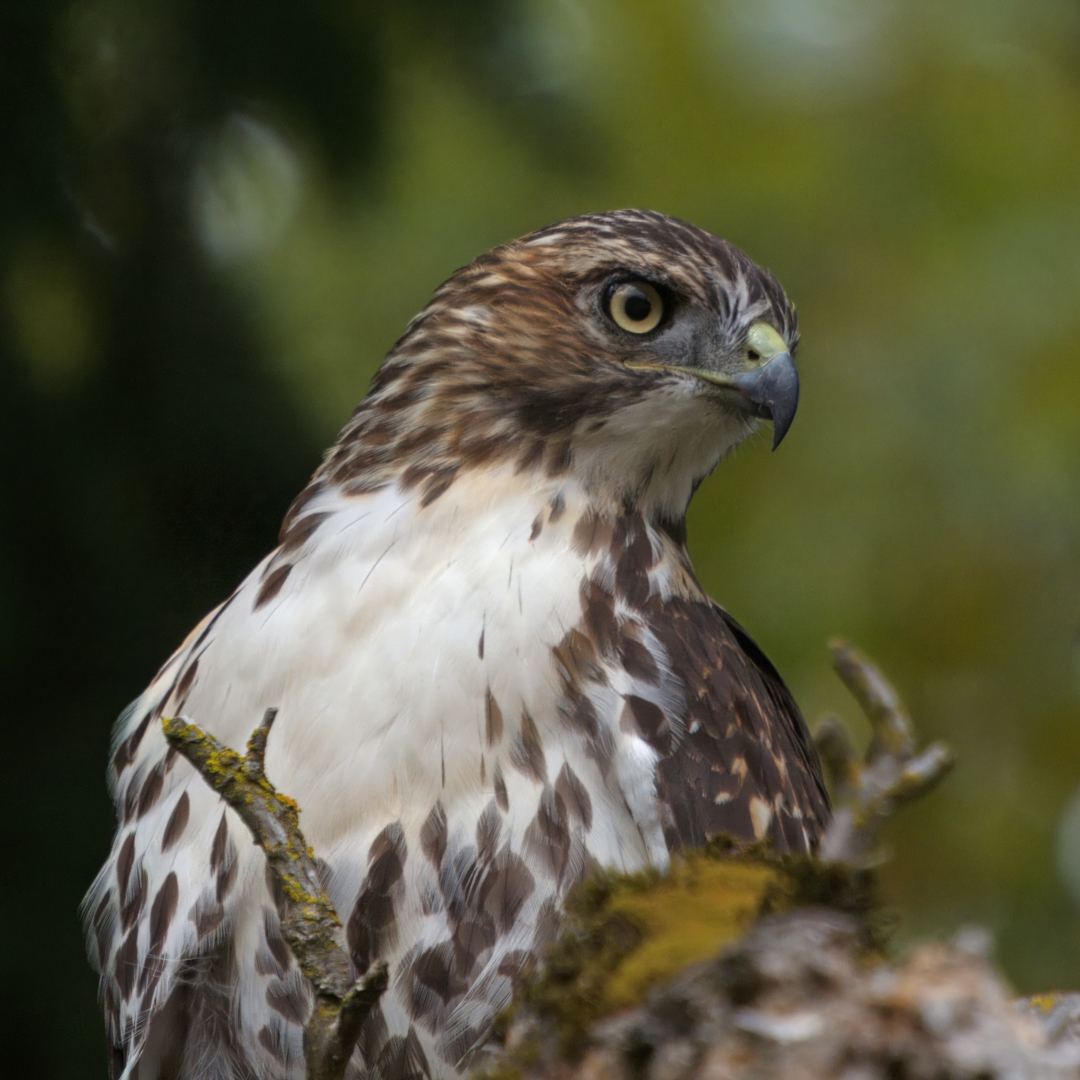
Here is another view of the same individual.
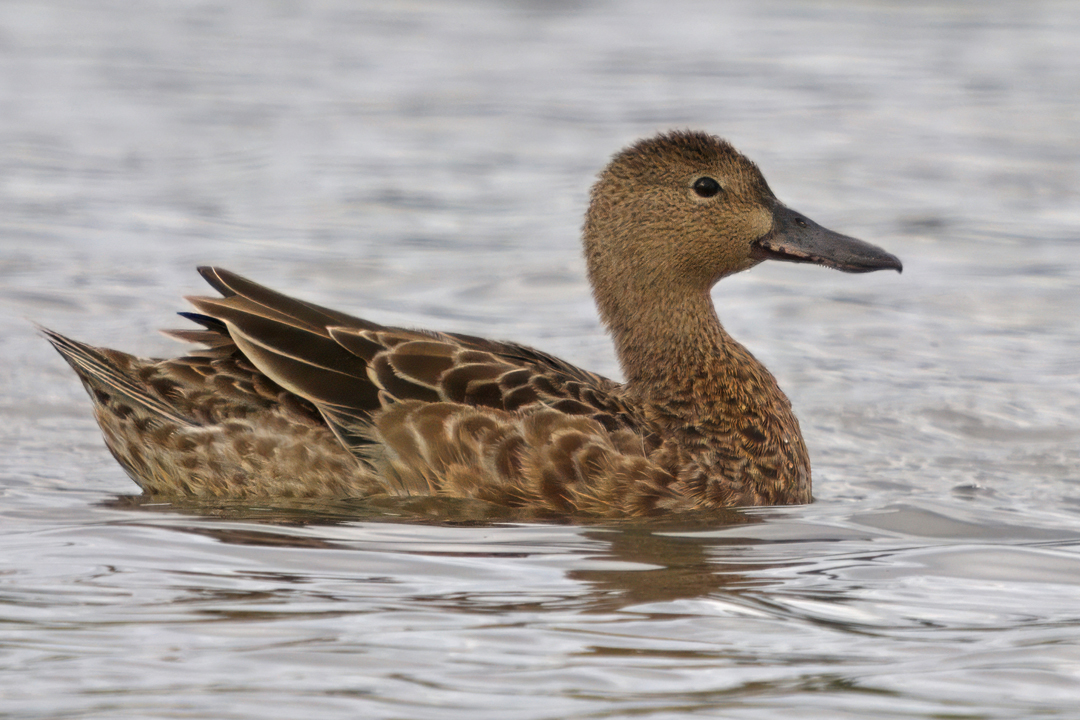
We are still in what I call Ugly Duck Season, when most birds are still in their dull summer patterns. I have heard it referred to as Brown Duck Season, which sounds a little more respectful. This brown duck is a Cinnamon Teal.
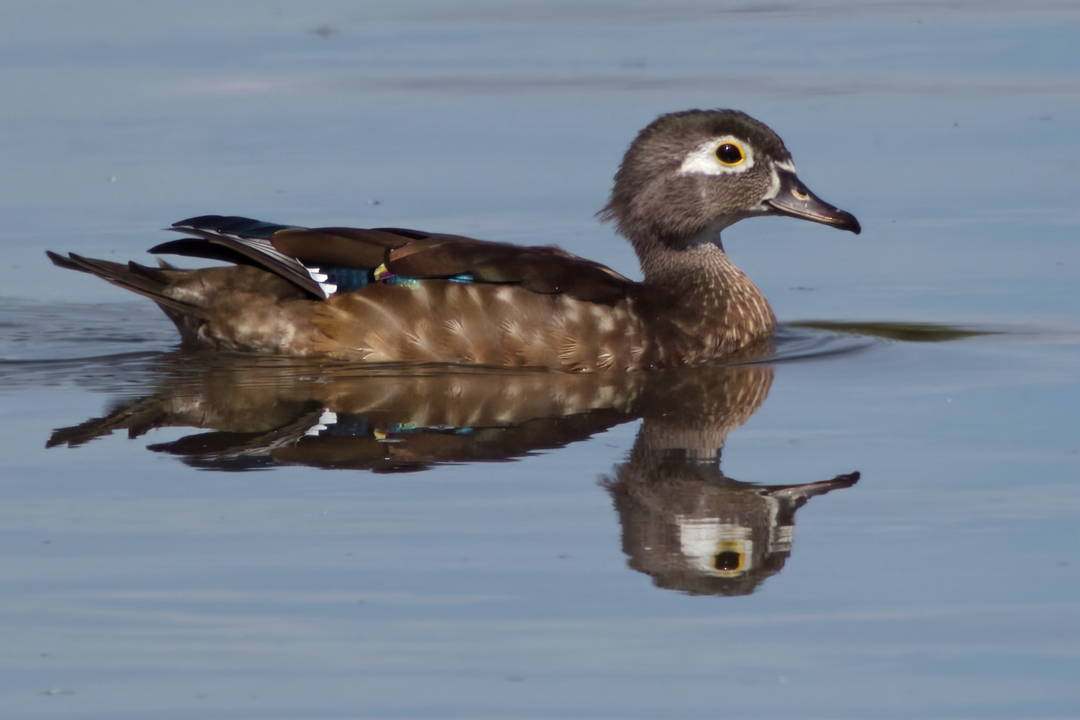
This female Wood Duck is slightly more fancy.
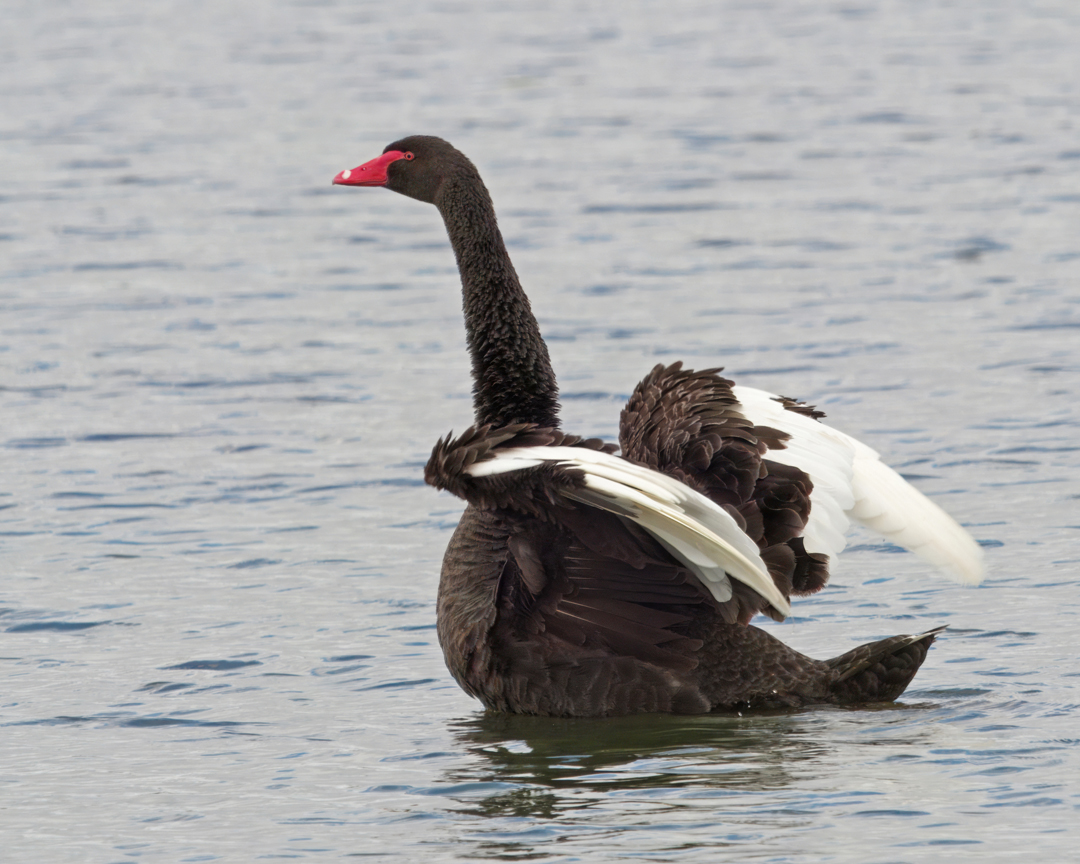
Speaking of fancy, this Black Swan escaped from captivity and is living the high life at Tualatin River NWR.
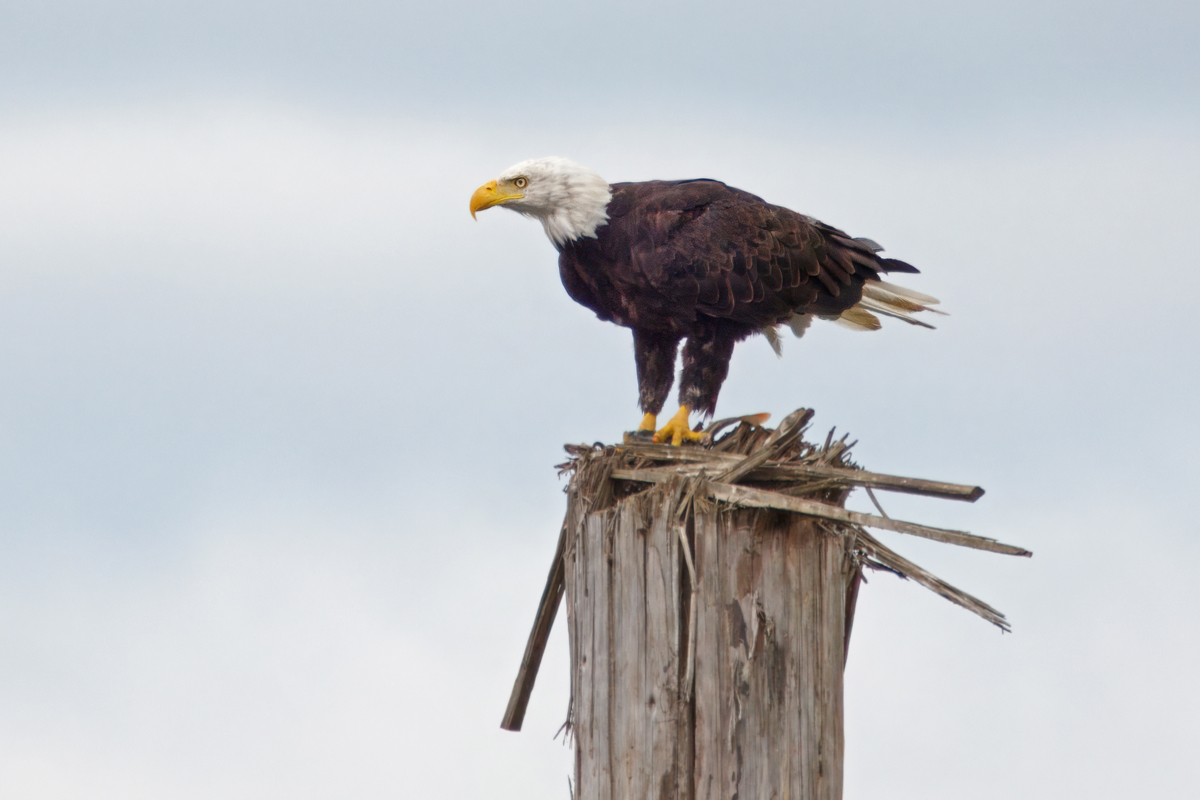
Bald Eagle with a fish
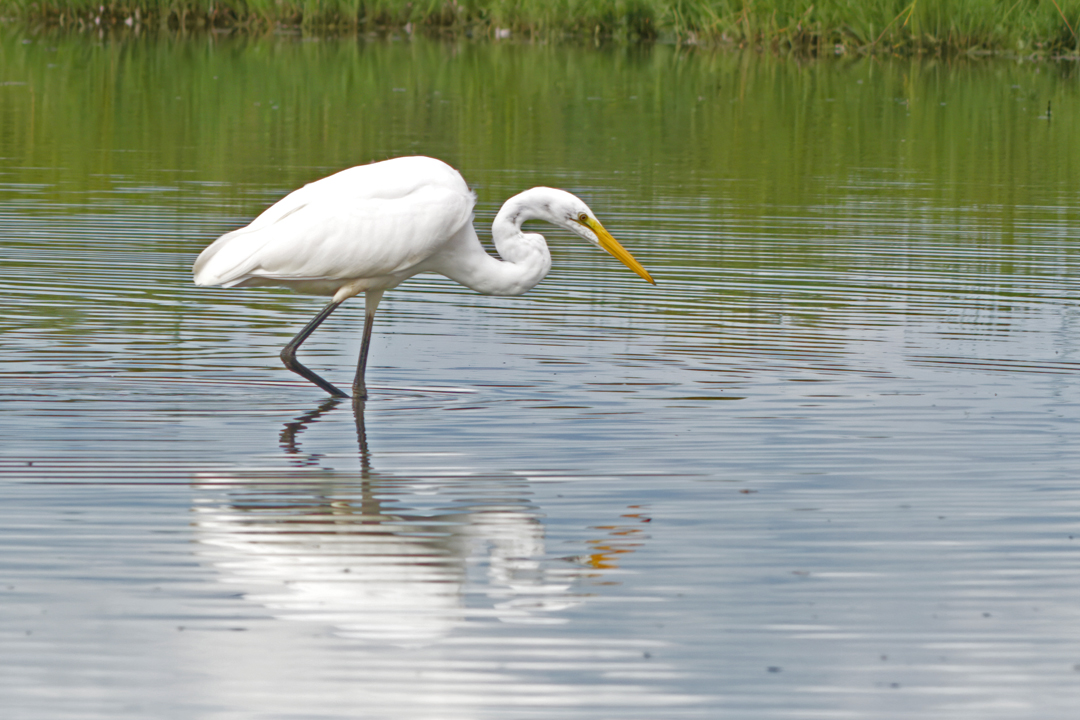
I have never gotten a good photo of a Great Egret, so here is a mediocre one.
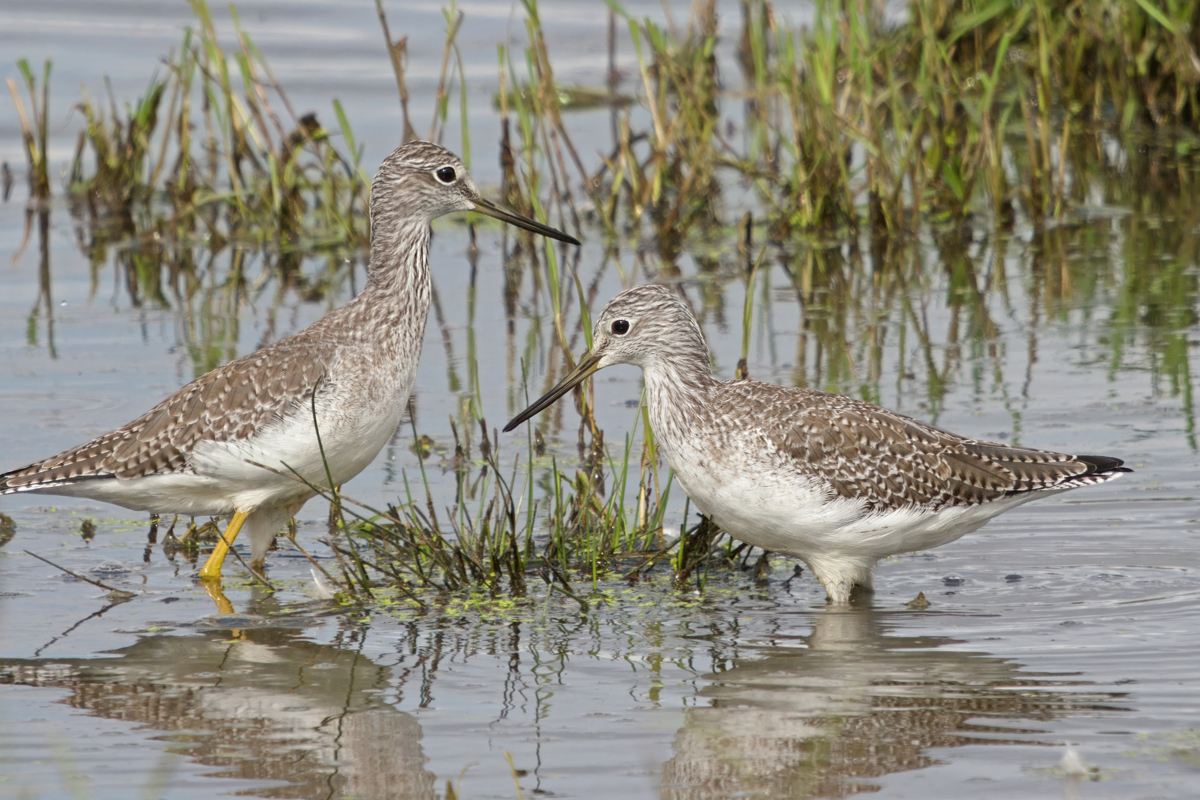
There are still decent numbers of shorebirds around, including these Greater Yellowlegs, but their numbers should be thinning out pretty quickly.
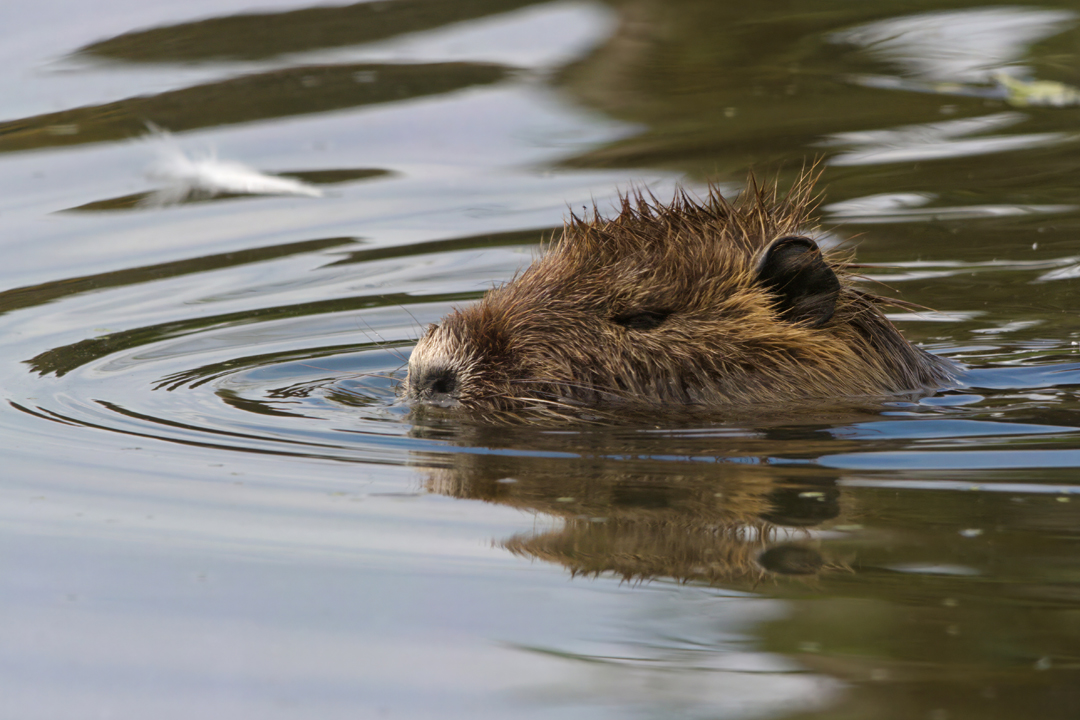
I’ll leave you with this Nutria with a spiky punk hairdo.
Happy Autumn!
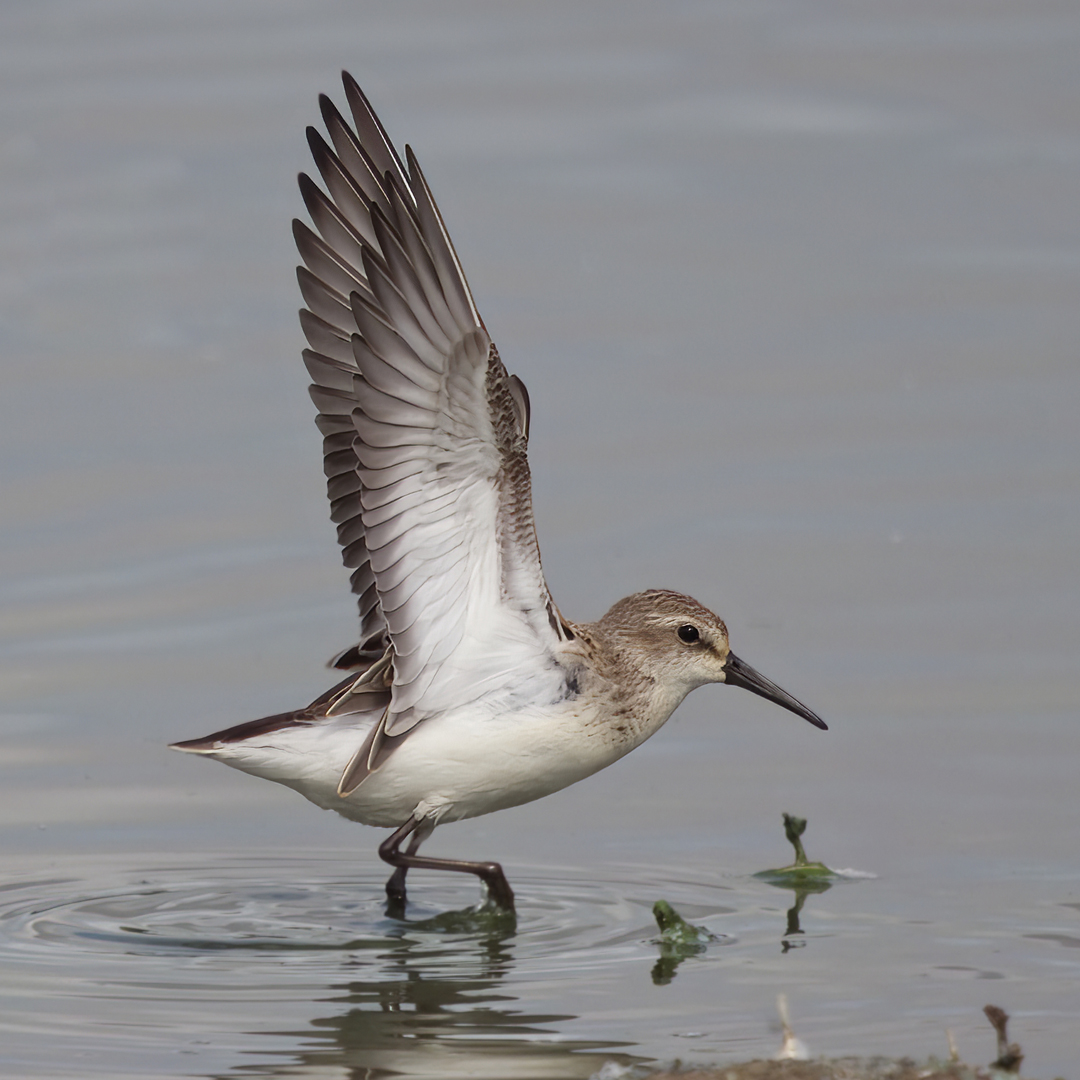
Late summer is shorebird season. There isn’t a lot else going on, bird-wise, so now is the time to study these long-distance migrants and hope for something unusual to show up. Western Sandpipers are among the most common species.
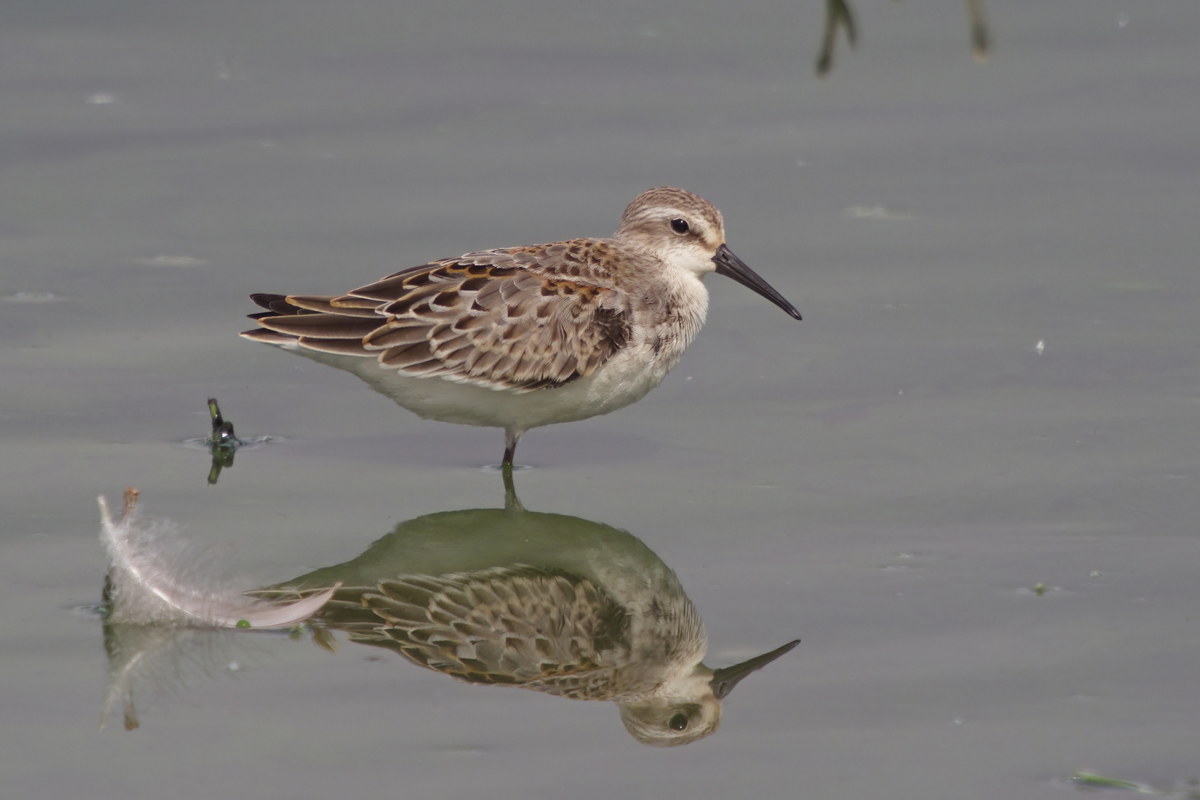
This juvenile Western Sandpiper is already molting into their first winter plumage. Some gray feathers are appearing on the wings and the rusty “suspenders” that young Westerns are known for are fading.
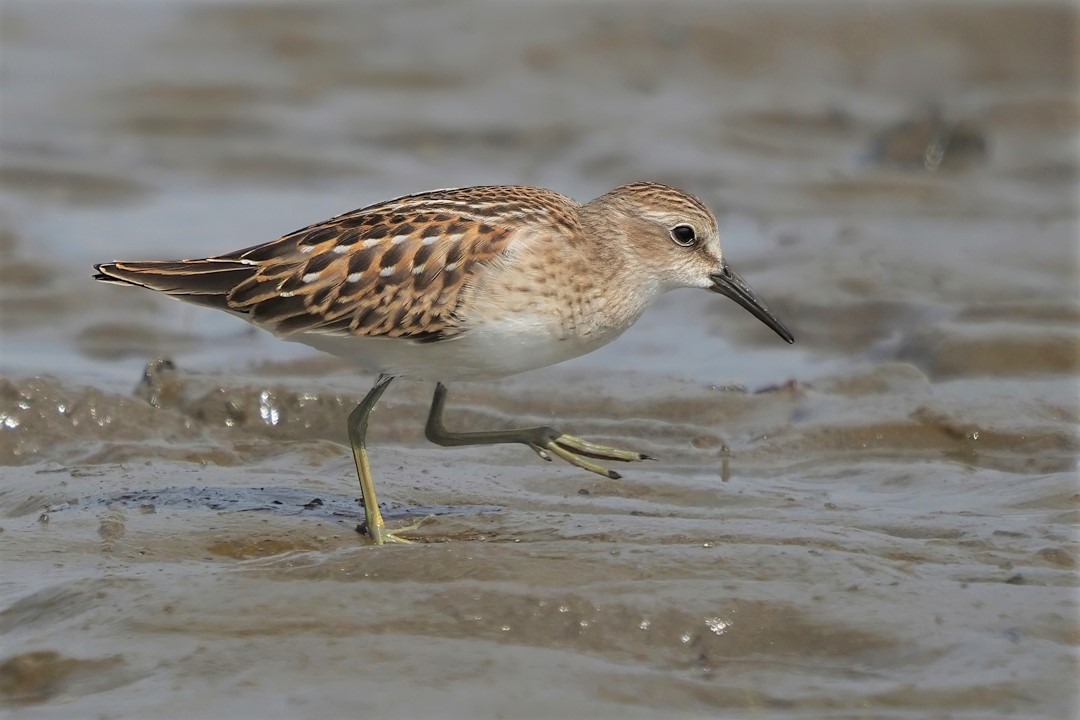
Here is a Least Sandpiper in fresh juvenile plumage.
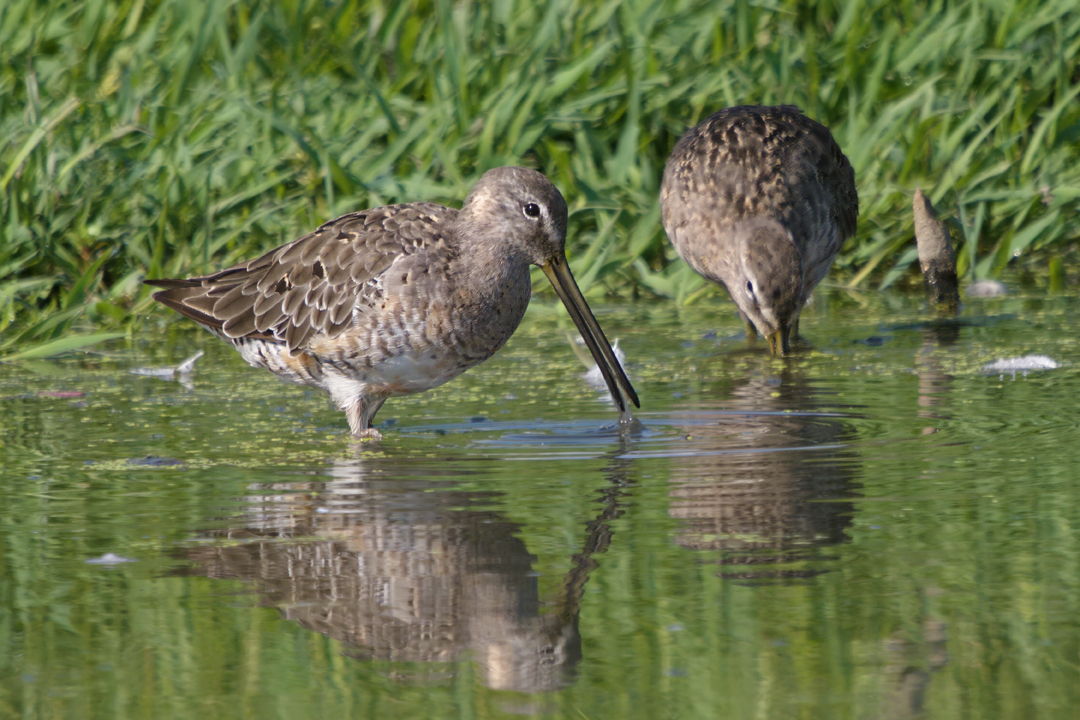
Long-billed Dowitchers
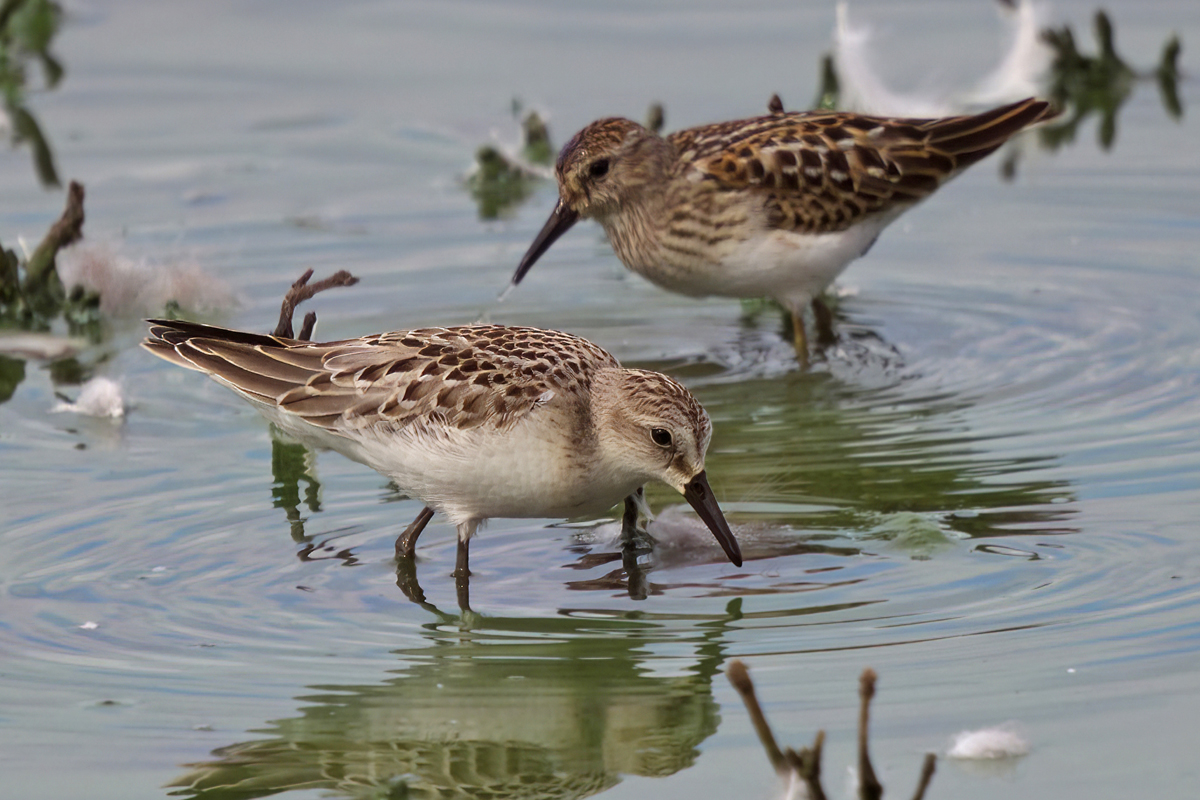
This is a juvenile Semipalmated Sandpiper with a Least in the background. Semipalmateds were a really big deal anywhere in Oregon 20 years ago, but I think birders are just getting better at recognizing them now.
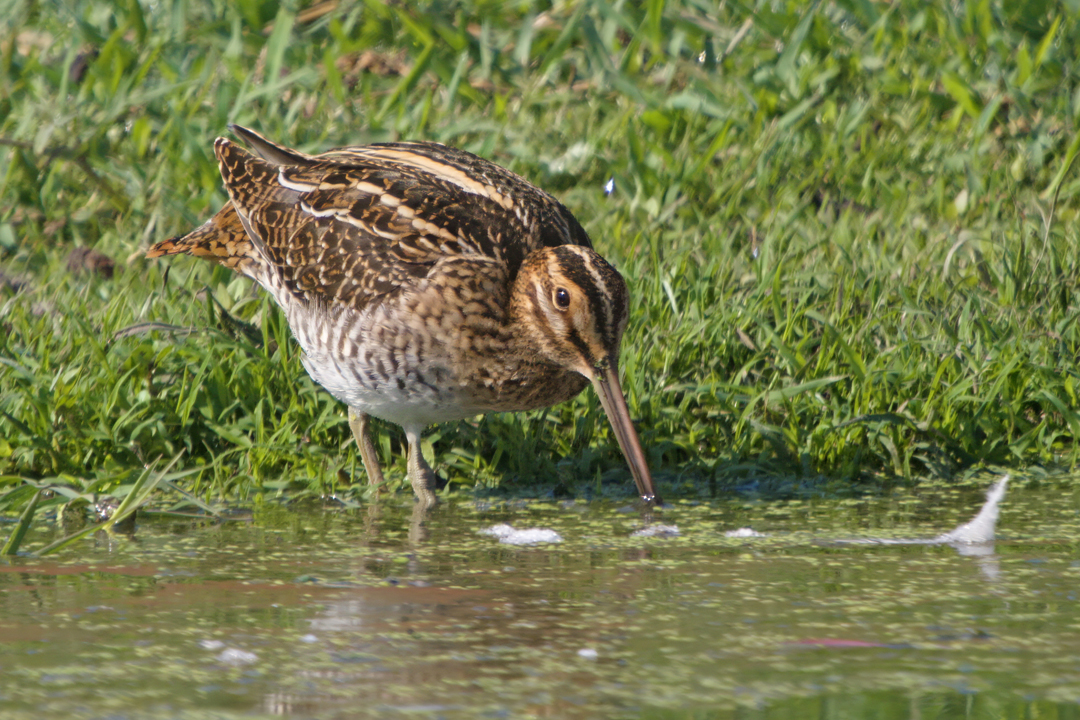
It is always nice when a Wilson’s Snipe comes out into the open.
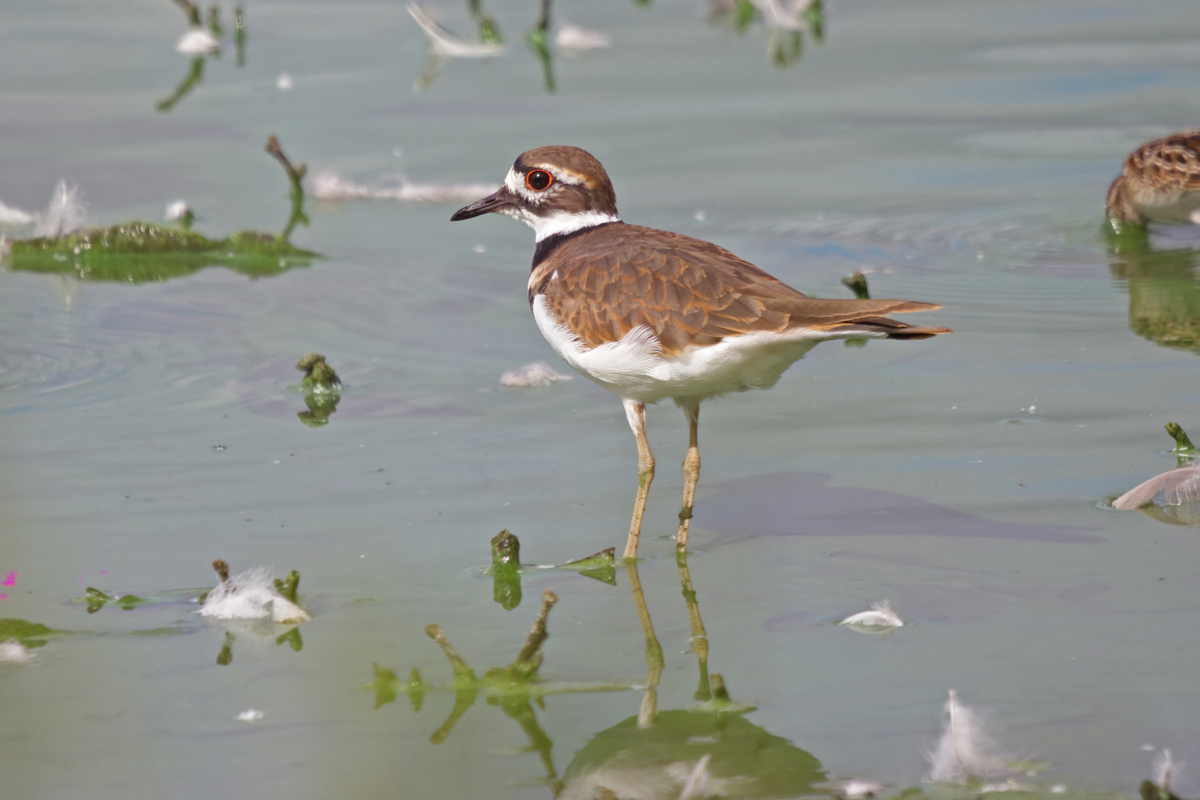
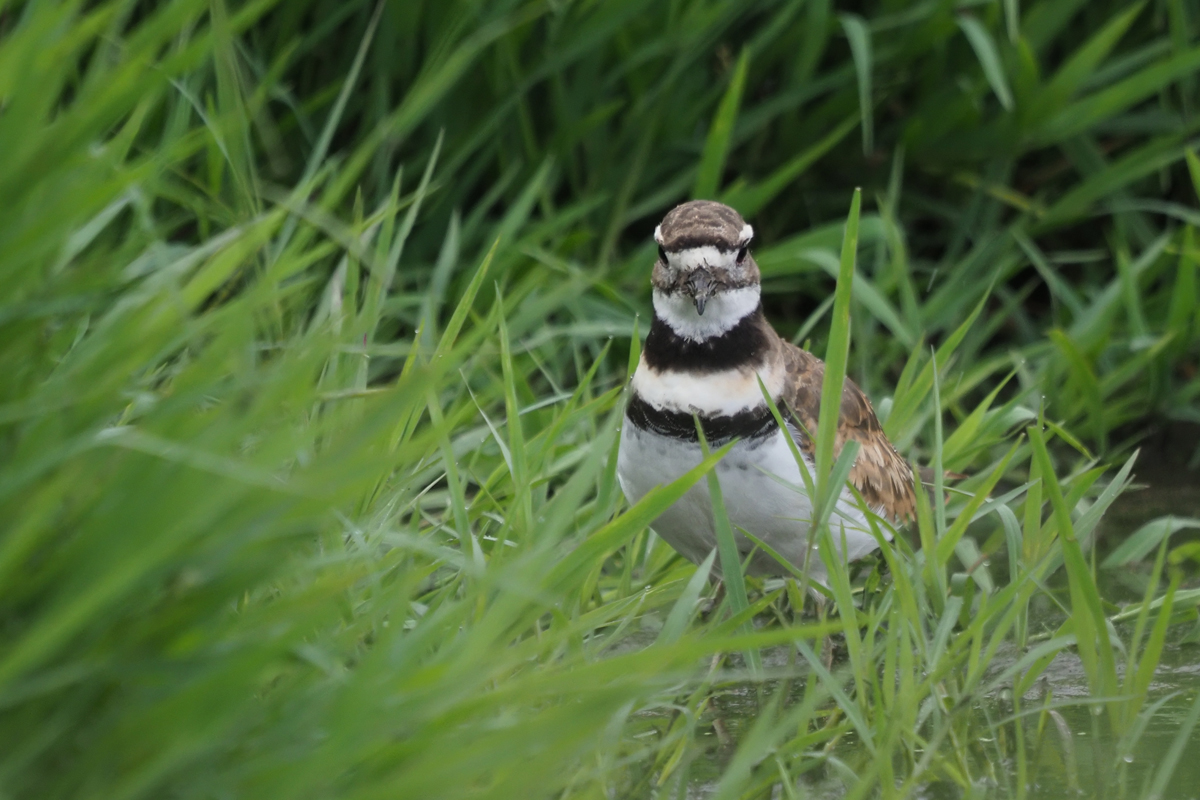
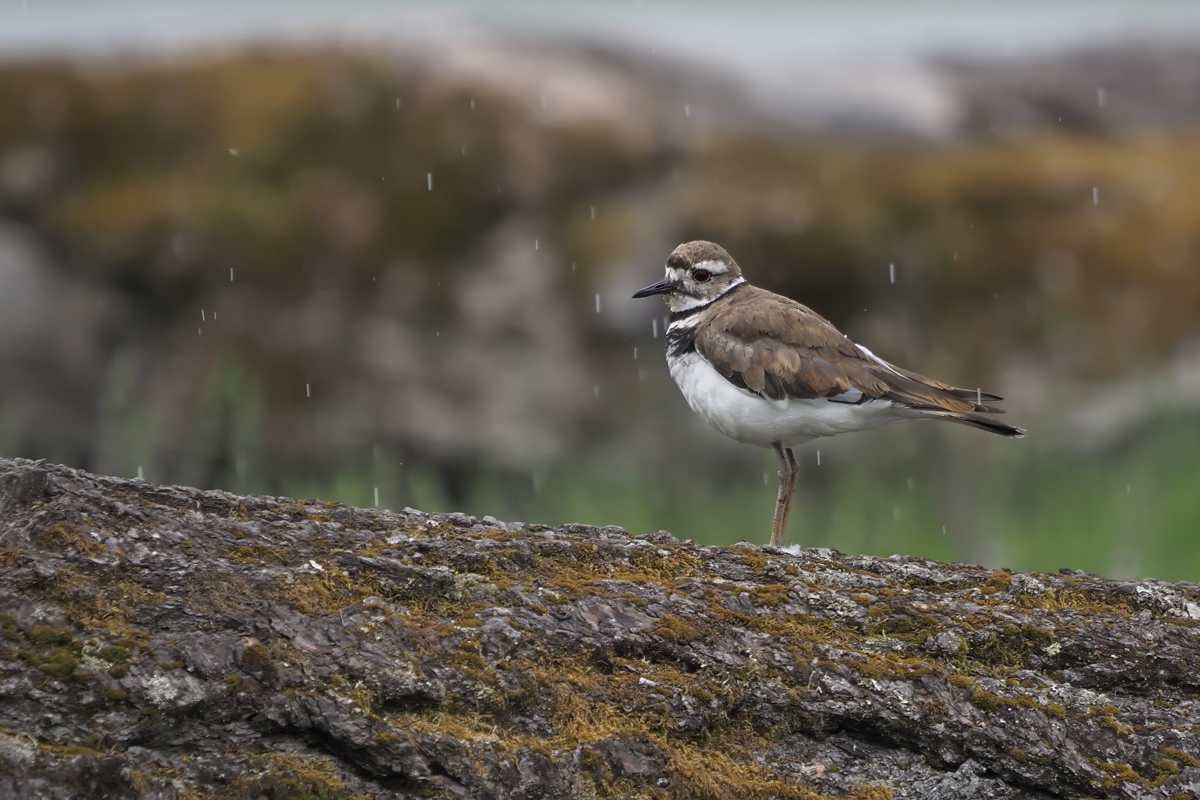
Killdeer
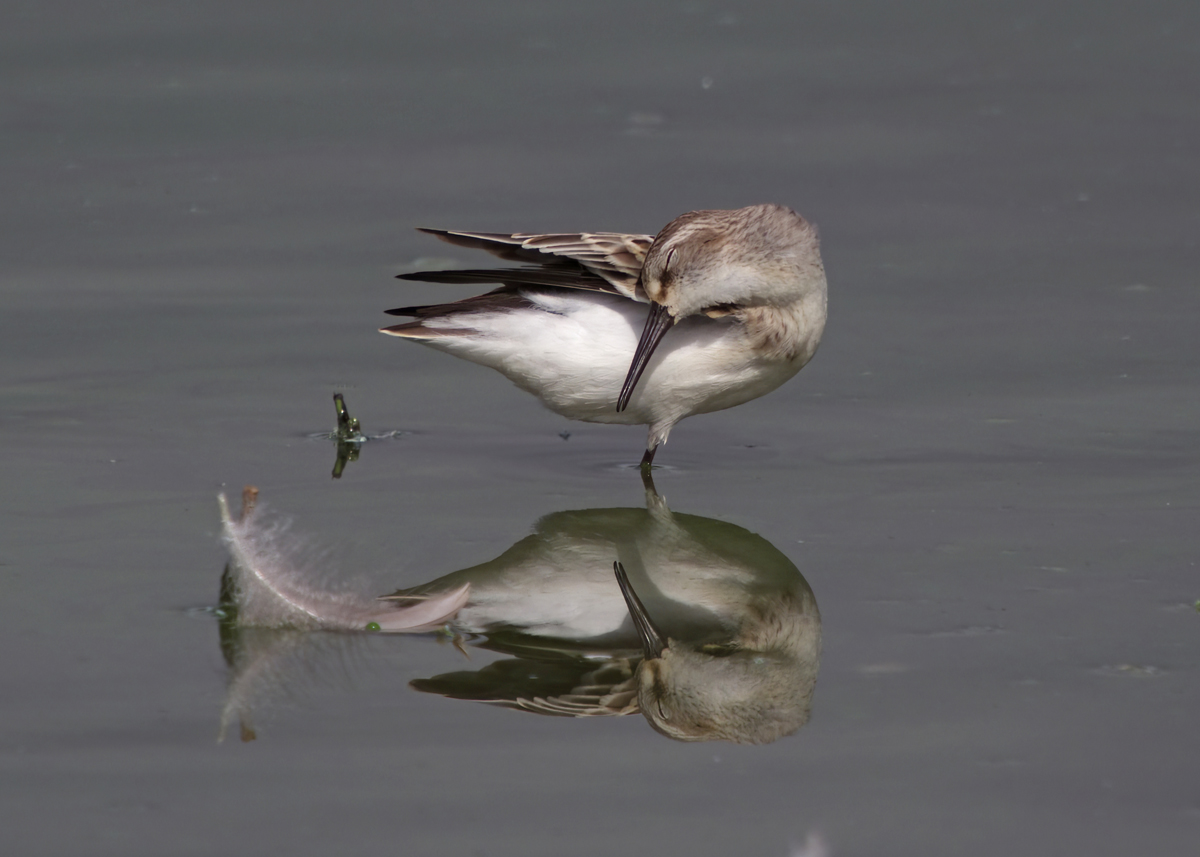
Western Sandpiper preening
Happy (late) summer!
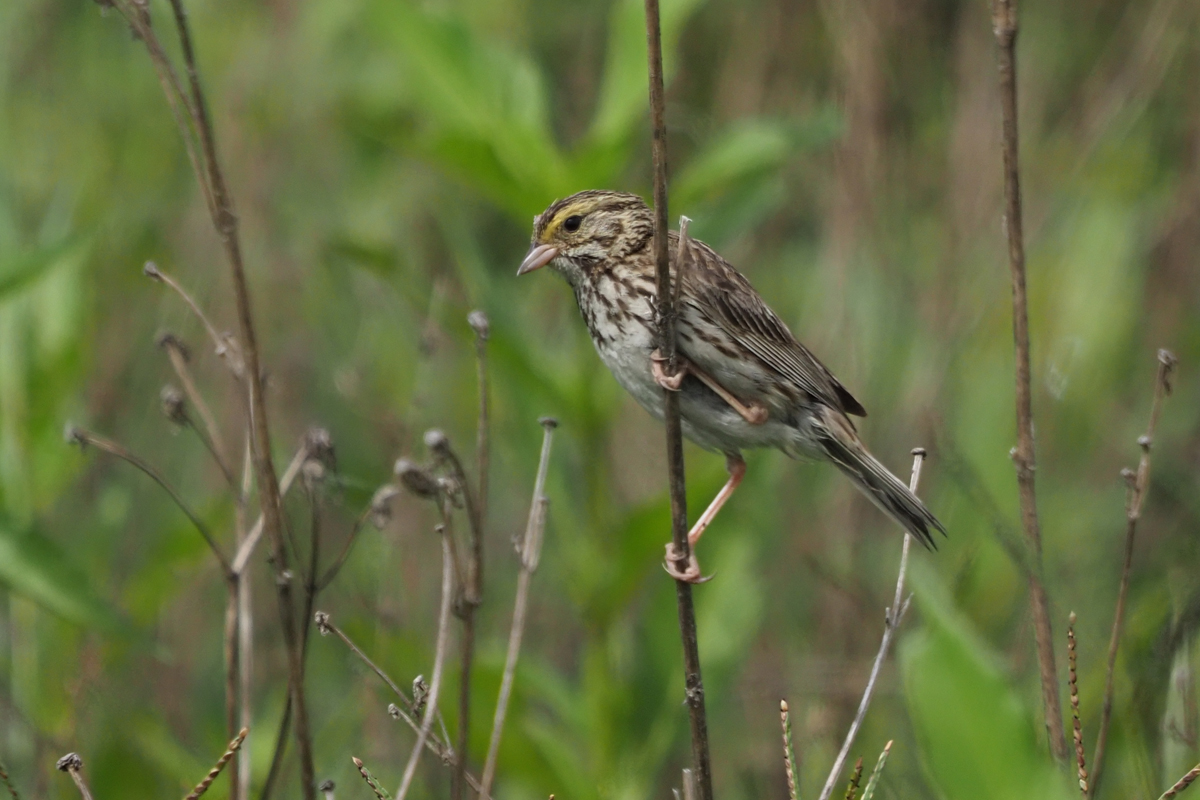
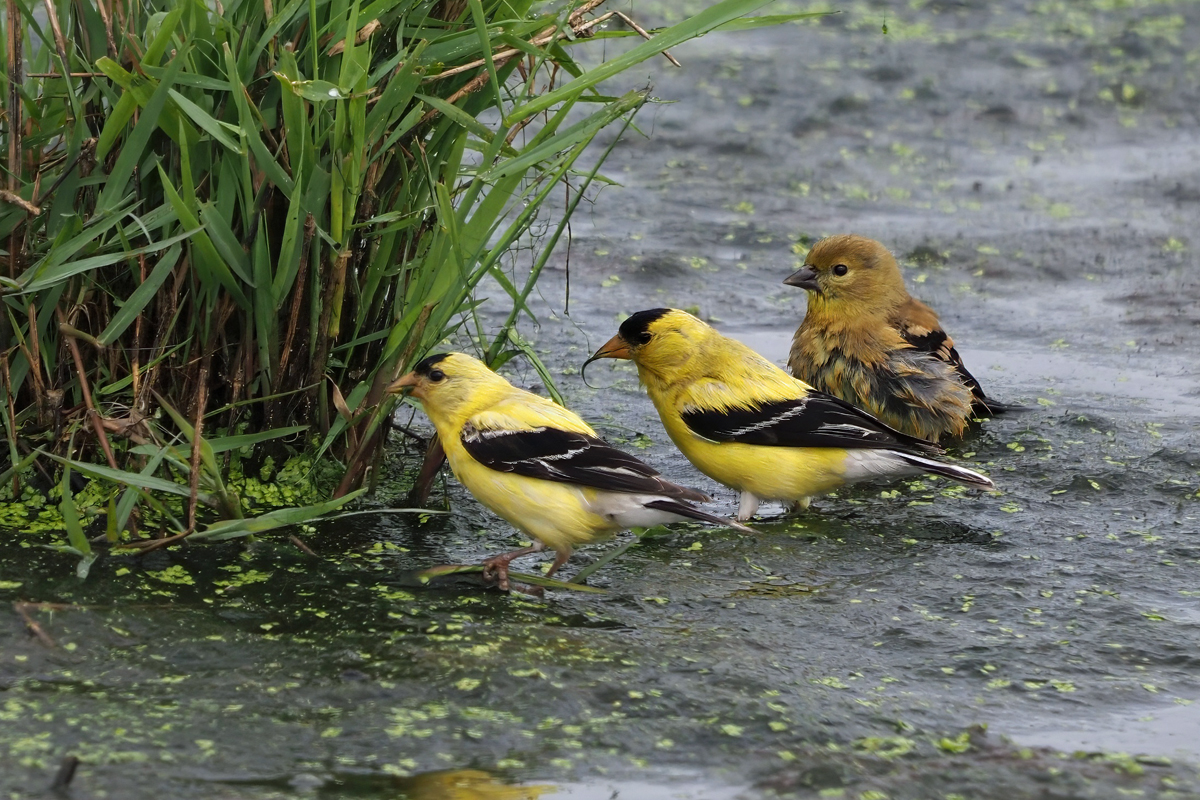
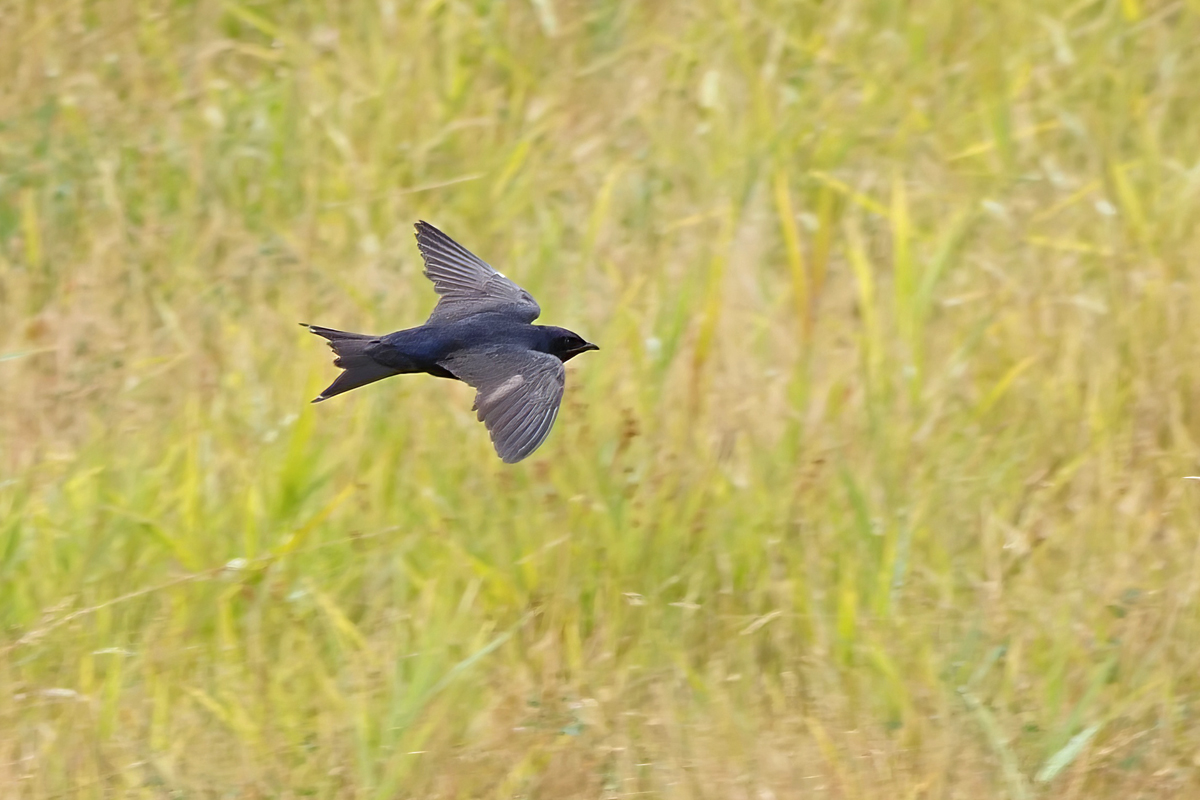
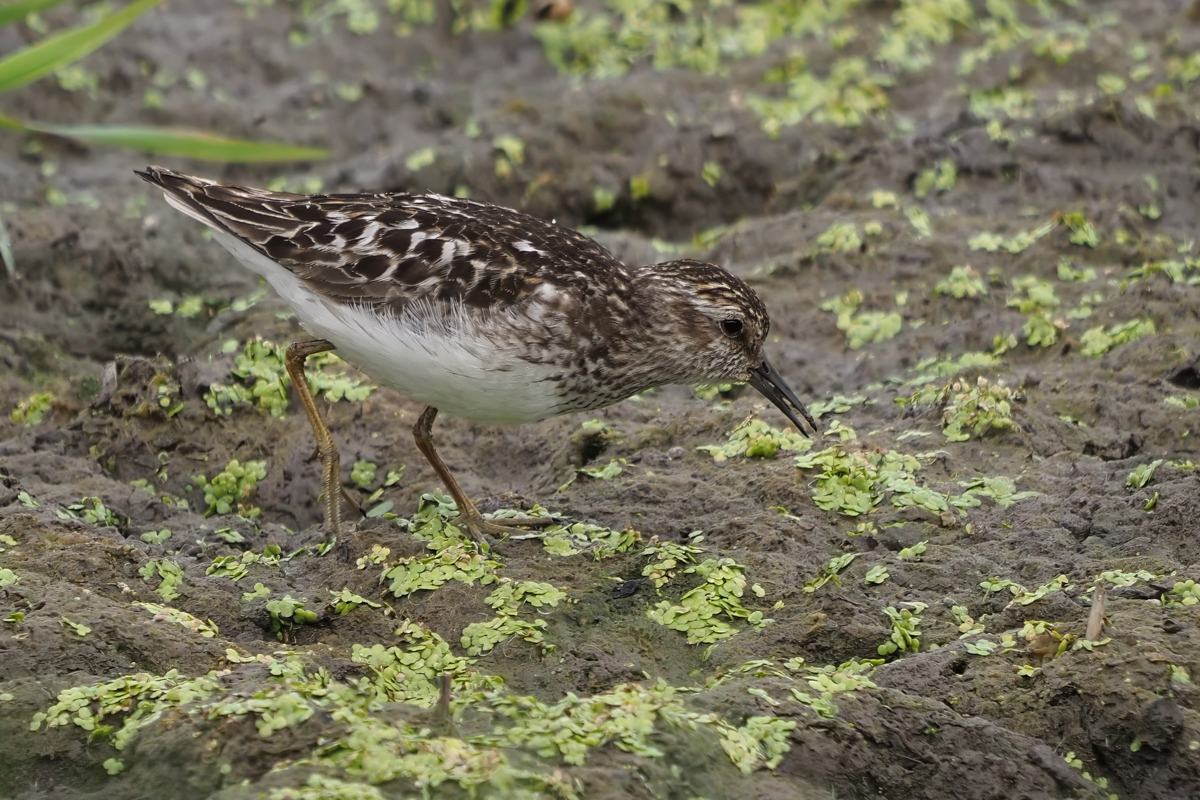
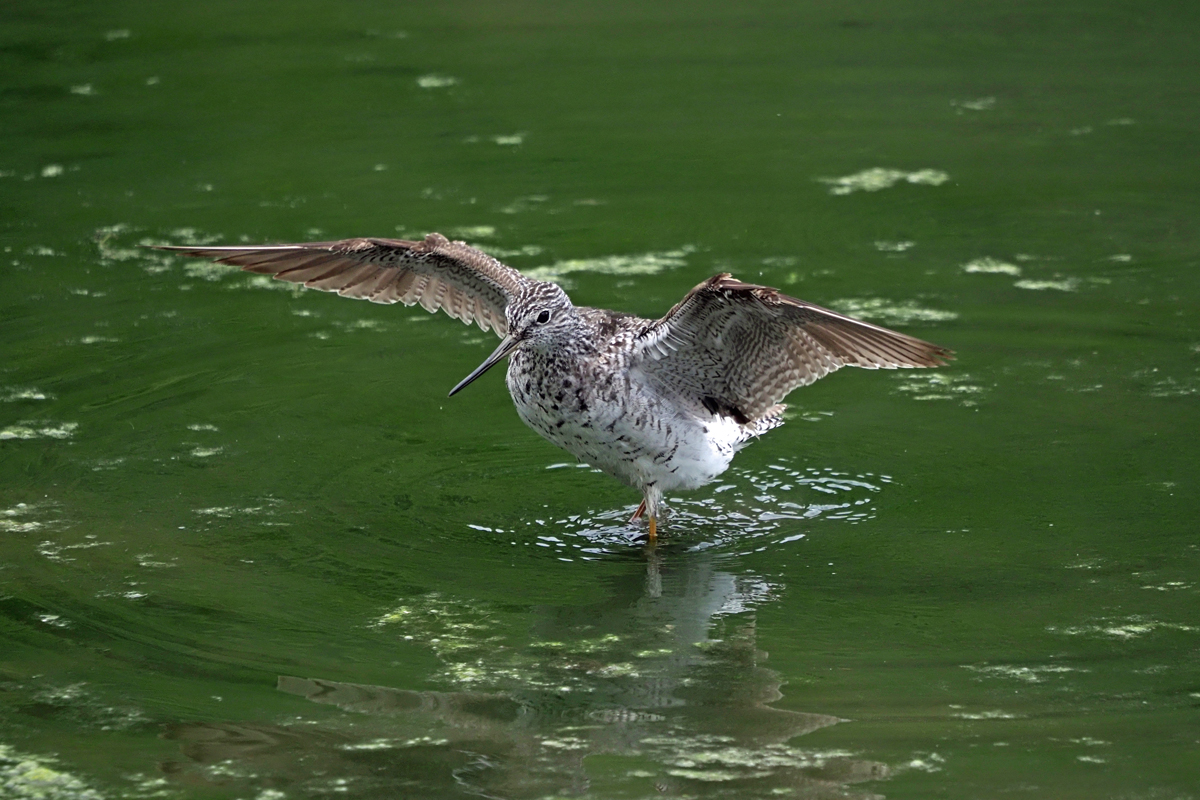
Summer birding can be tough. Songbird activity has slowed way down. Shorebirds are starting to come through on their southward migrations, but hot and bright conditions limit one’s birding to the early morning hours. Unfortunately for me, our young dog also demands attention in the early morning hours, so my outings have been limited. Here are a few photos from recent weeks.
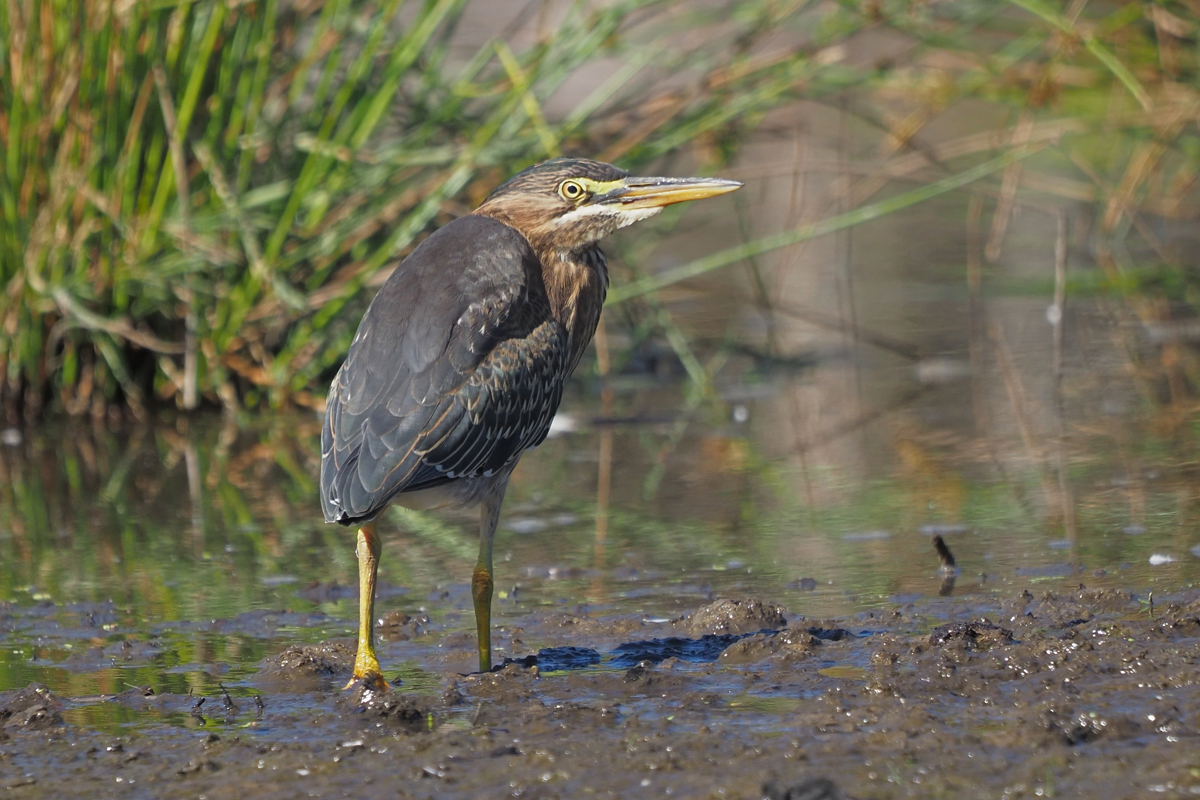
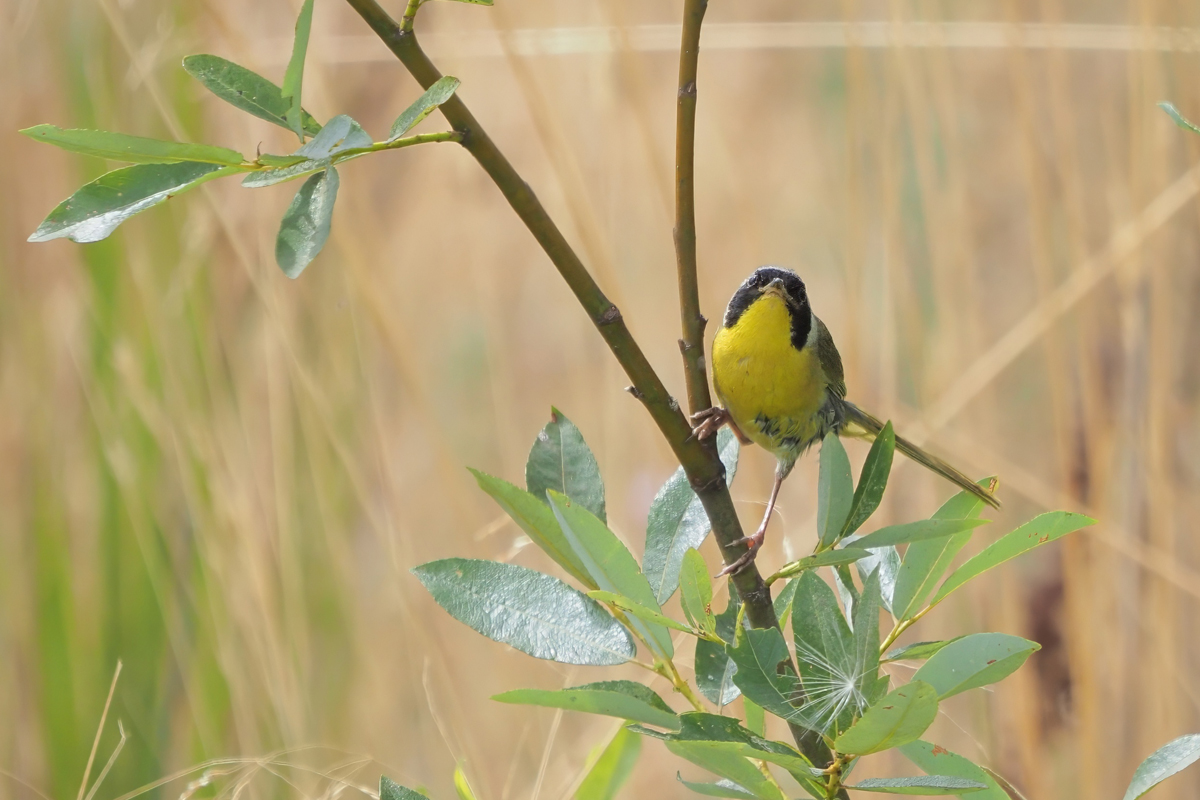
Happy summer.
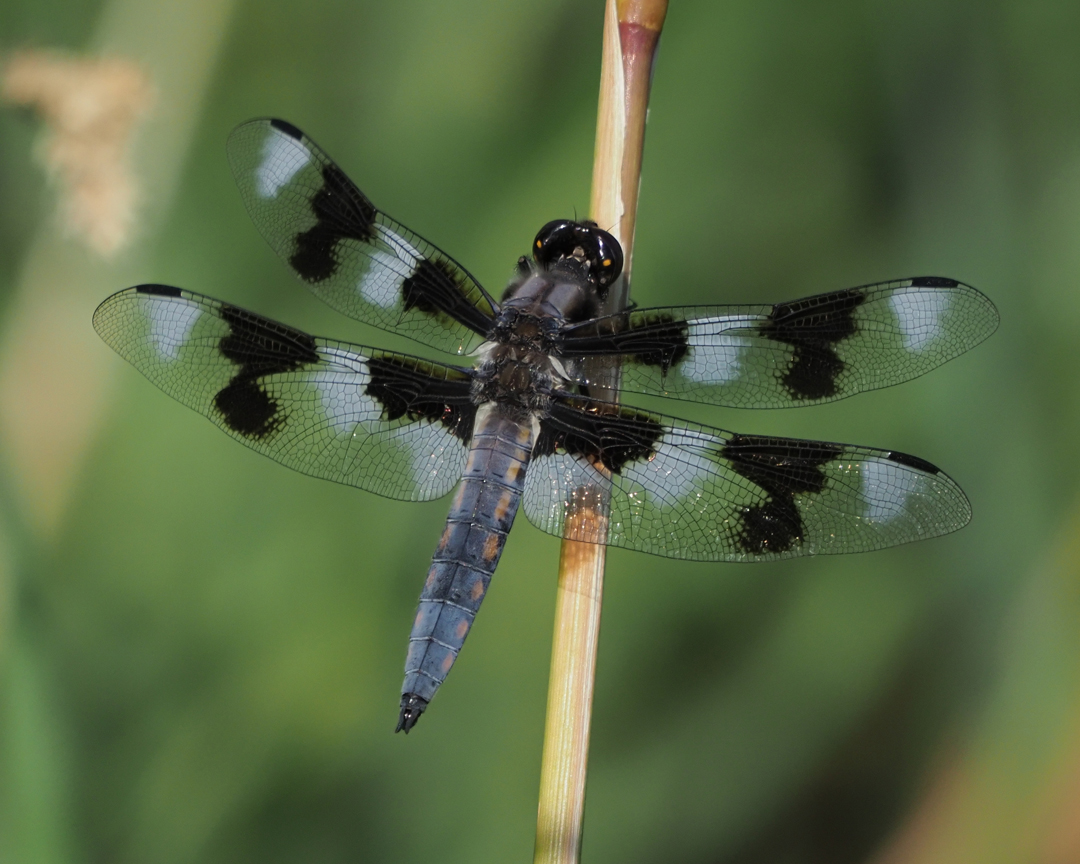
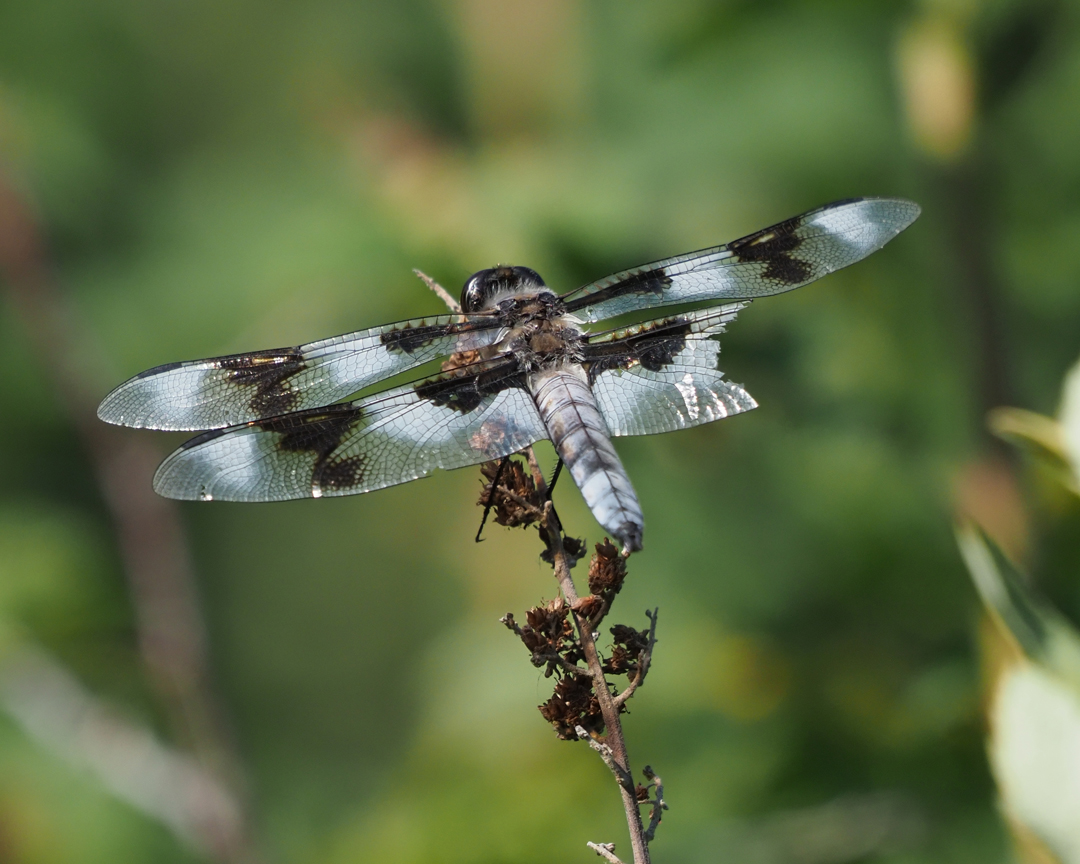
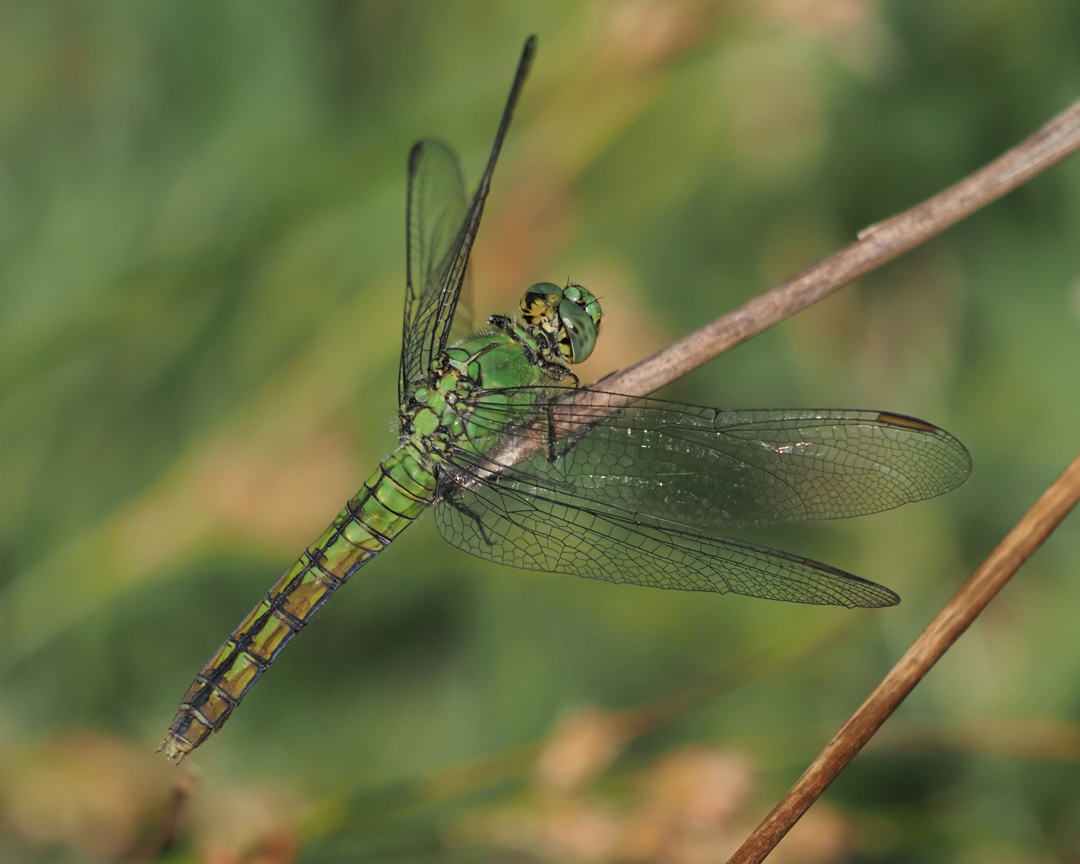
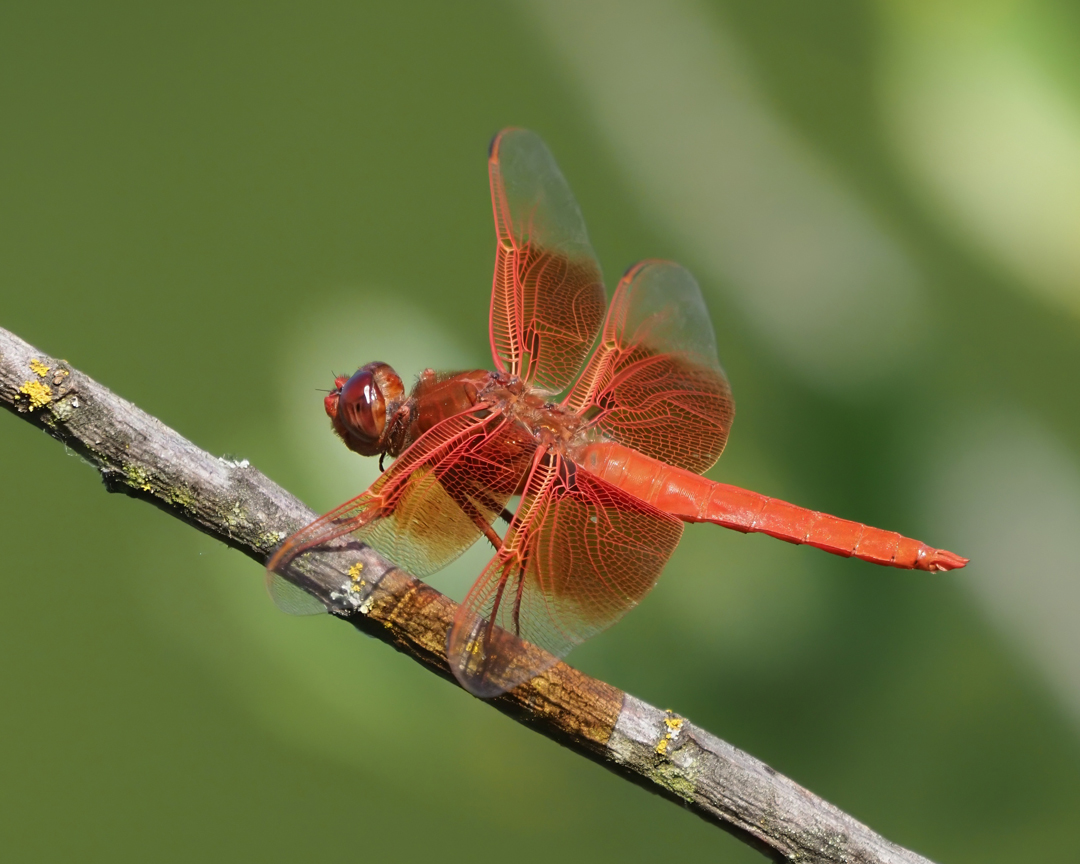
Happy Summer
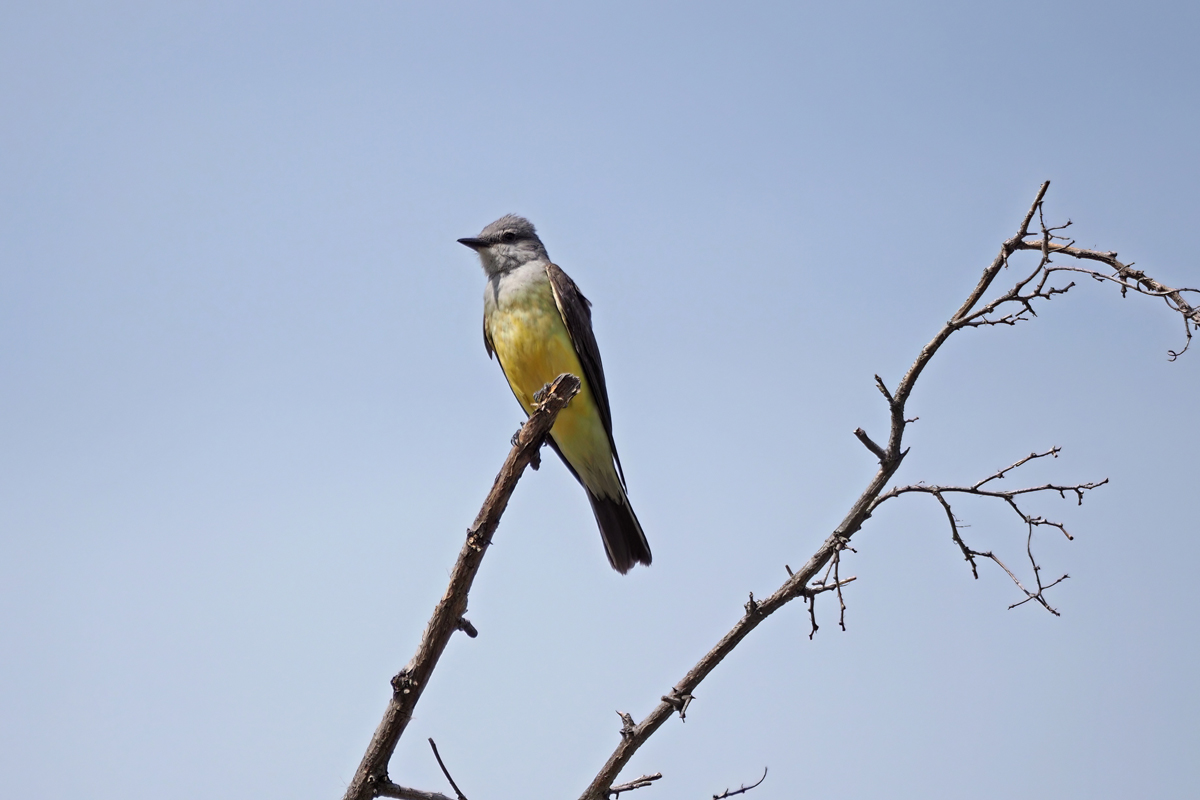
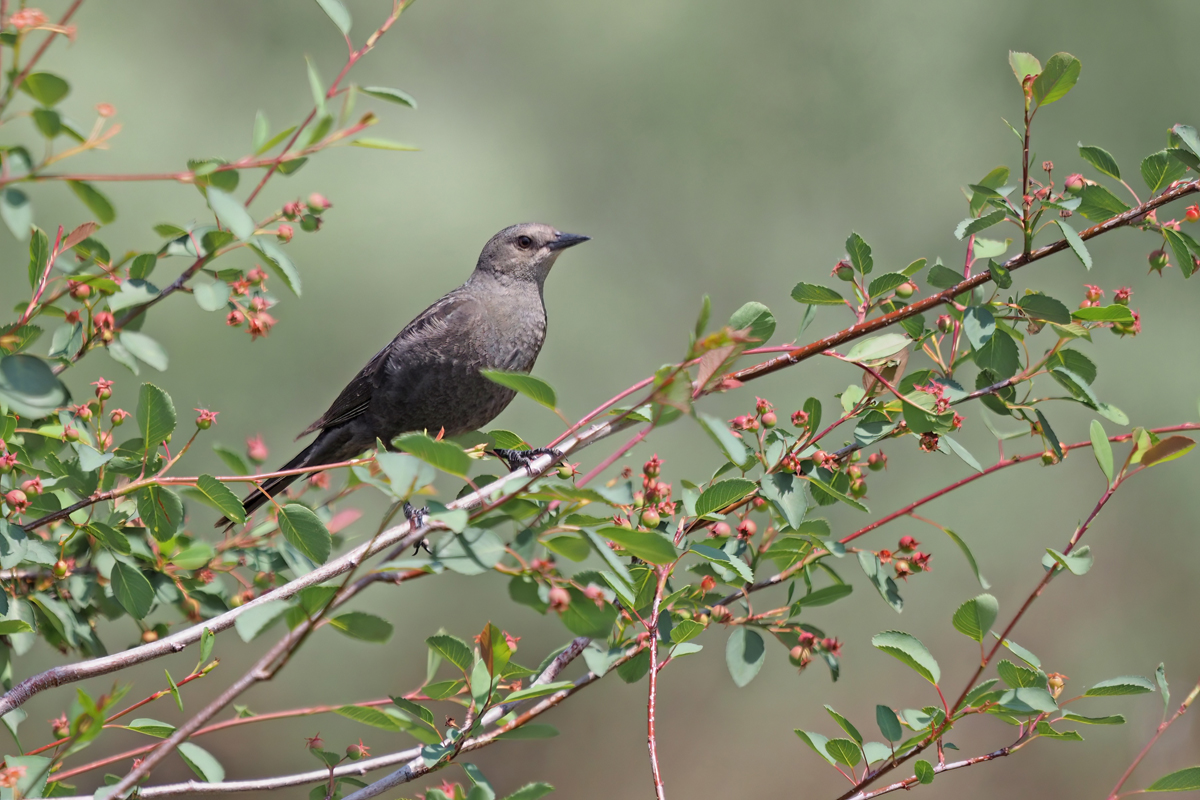
My team for the Portland Audubon Birdathon visited Cottonwood Canyon State Park in late May. Birding was a little slow that day, but it is always a treat for me to get to the east side of Oregon.




Happy Summer
 Ethical Birder